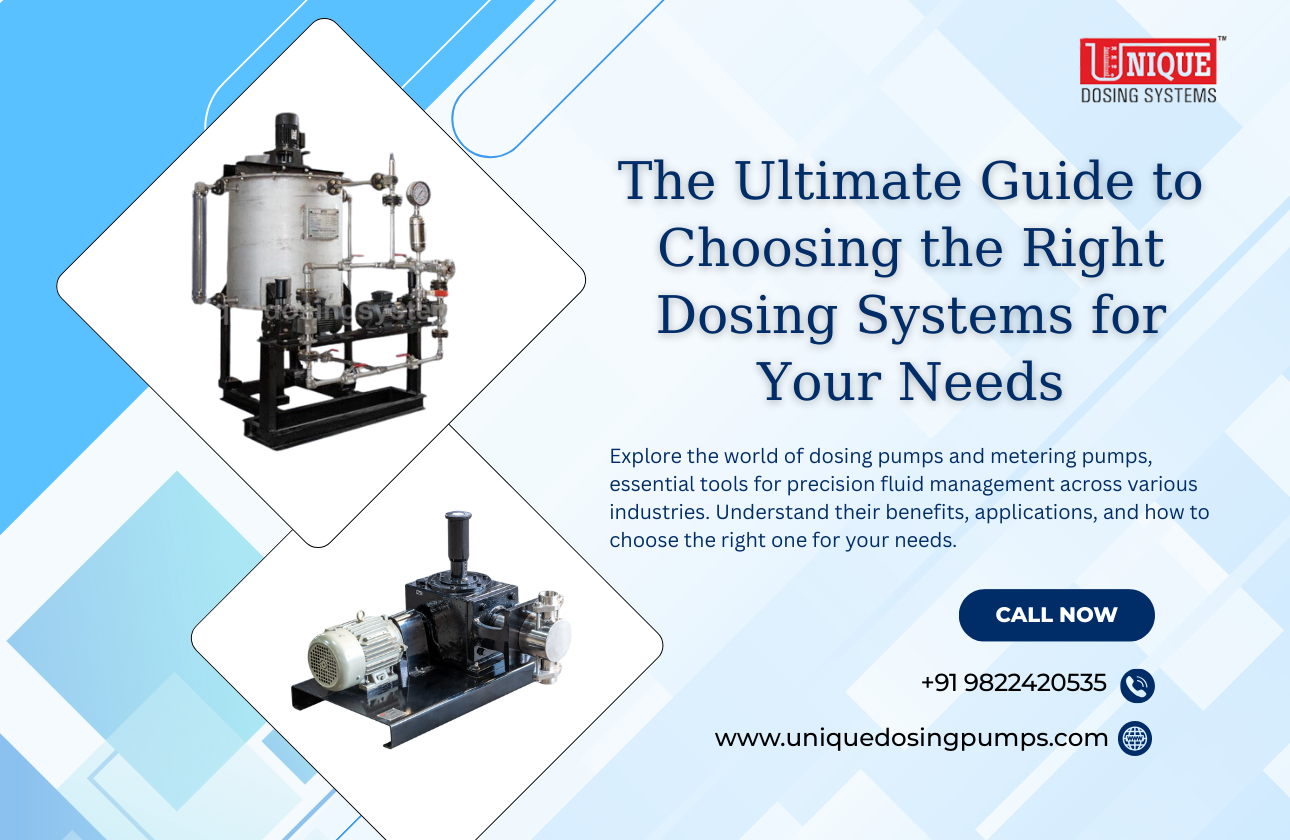
The Ultimate Guide to Choosing the Right Dosing Systems for Your Needs
Dosing systems are integral to a wide range of industries, from water treatment and food production to pharmaceuticals and chemical processing. At the heart of these systems is the dosing pump, a device that ensures precision and accuracy in dispensing a controlled amount of fluid. Understanding how to select the best dosing system for your needs can greatly enhance efficiency and productivity.
Understanding Dosing Systems
Dosing systems are complex setups designed to introduce a predetermined amount of a chemical or product into a process at the right time. They are critical in many processes where maintaining concentrations of fluids is essential. The primary component in most dosing systems is the dosing pump, which helps to automate the fluid-managing tasks within a facility.
Types of Dosing Pumps
There are several types of dosing pumps used in today's industries, each with its own set of benefits and applications:
- Diaphragm Pumps: Known for their durability and efficiency, they are ideal for precise metering of chemicals.
- Peristaltic Pumps: These pumps are suitable for dosing sensitive fluids as they minimize exposure to contaminants.
- Piston Pumps: Offering high-pressure capabilities, these pumps are used where high dosing accuracy is required.
Why Choose a Dosing System?
Implementing a dosing system is a strategic move for any business that needs to maintain control over fluid application processes. Here are some benefits:
- Accuracy: Dosing systems provide precise control over the quantity of product being dispensed.
- Consistency: They help maintain consistent quality in the final product or process.
- Cost-effectiveness: Efficient dosing reduces waste, which can lead to significant cost savings.
- Safety: Automated systems minimize human contact with hazardous chemicals.
Choosing the Right Dosing System
Choosing the right dosing system involves an understanding of specific process requirements, compatibility with existing systems, and desired outcomes. Factors to consider include:
- Flow Rate: The pump’s capacity to deliver fluids should match your application needs.
- Chemical Compatibility: The materials used in the pump must withstand the chemical properties of the fluid being used.
- Pressure Requirements: Consider the pressure levels needed for your application and select a pump that can consistently maintain that pressure.
- Ease of Maintenance: Look for systems that offer ease of maintenance to minimize downtime.
Conclusion
Dosing systems are critical to many industrial processes, providing essential accuracy and efficiency. Whether you're looking to improve product consistency or reduce waste, a well-chosen dosing system featuring a reliable dosing pump can transform your operations. By understanding the different types of dosing systems and their applications, you can make informed decisions tailored to your specific operational needs.
Investing in the right dosing pump and system not only optimizes your process but also ensures that you meet regulatory standards and safeguard your investments by reducing the risk of costly errors. Explore your options and partner with experts to find a solution that best fits your needs.
Published on February 8, 2026 by Admin