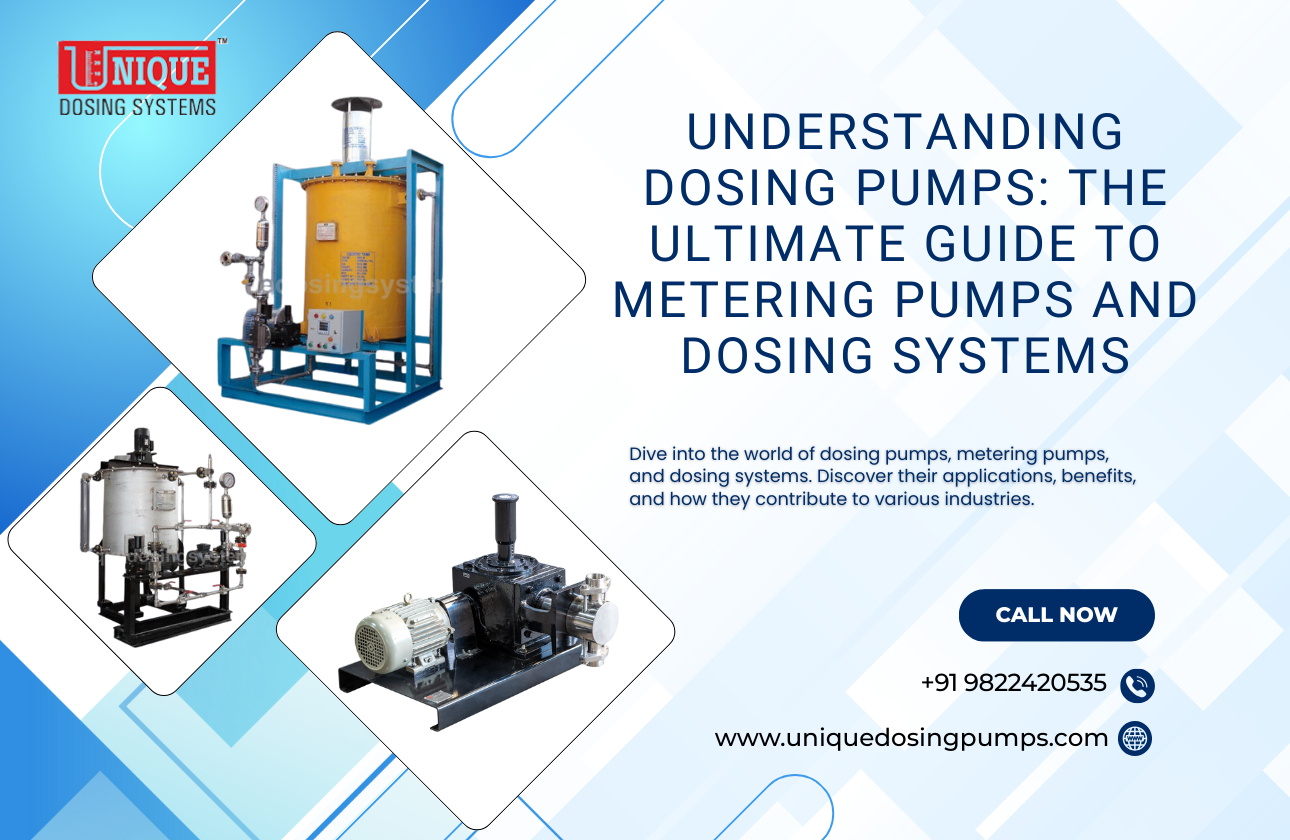
The Ultimate Guide to Metering Pumps and Dosing Pumps
In industr ies that require precise fluid handling, metering pumps and dosing pumps are indispensable tools. These pumps ensure that fluids are accurately measured and delivered in a controlled manner. This guide will delve into the features, applications, and benefits of metering and dosing pumps, helping you make an informed decision for your specific needs.
What are Metering Pumps?
Metering pumps, also known as metering dosing pumps, are specially designed to deliver precise volumes of liquid within a specified time frame. They are versatile devices used across various industries, including chemical processing, water treatment, food and beverage, pharmaceuticals, and many more. The primary objective of a metering pump is to ensure consistent and controlled fluid delivery.
How Do Dosing Pumps Work?
Dosing pumps function by drawing a defined volume of a liquid into a chamber, which is then expelled into a designated area over a set cycle. The operation can be adjusted either mechanically or via electronic controls, allowing for high precision even with varying process conditions. This precision makes dosing pumps essential in environments where small deviations can lead to significant outcomes.
Key Features of Metering Pumps
- Precision and Accuracy: Fundamental for operations requiring exact measurements, metering pumps excel in delivering consistent outputs.
- Adjustability: These pumps can be calibrated easily to meet different task requirements.
- Durability: Constructed from high-quality materials, metering pumps are designed to withstand harsh industrial environments.
Applications of Metering and Dosing Pumps
Both metering and dosing pumps are utilized in numerous applications:
- Water and Wastewater Treatment: Used to precisely add chemicals for purification and disinfection.
- Food and Beverage Industry: Essential for adding ingredients or preservatives at exact amounts.
- Chemical Manufacturing: Critical in blending processes and ensuring the right chemical proportions.
Choosing the Right Metering Pump
When selecting a metering pump, consider these factors:
- Flow Rate and Pressure: Ensure the pump can handle the necessary volume and pressure for your application.
- Chemical Compatibility: The materials of the metering pump should be compatible with the chemicals being pumped to prevent corrosion or degradation.
- Control Options: Advanced models provide digital controls for enhanced precision and automation capability.
Benefits of Using Metering and Dosing Pumps
The advantages of using these pumps include:
- Cost Efficiency: Precision dosing reduces waste and optimizes the use of expensive chemicals.
- Improved Safety: Automation and precise control minimize risk factors associated with handling hazardous materials.
- Enhanced Product Quality: Consistent dosing results in uniform product quality, essential for consumer satisfaction.
Conclusion
Metering pump and dosing pumps are essential components in industries requiring precision and efficiency. By understanding their functionality, applications, and selection criteria, you can optimize the processes within your facility, ensuring safety, cost savings, and consistent quality. Whether for industrial or residential purposes, choosing the right pump can significantly impact your operations.
Published on December 24, 2025 by Admin