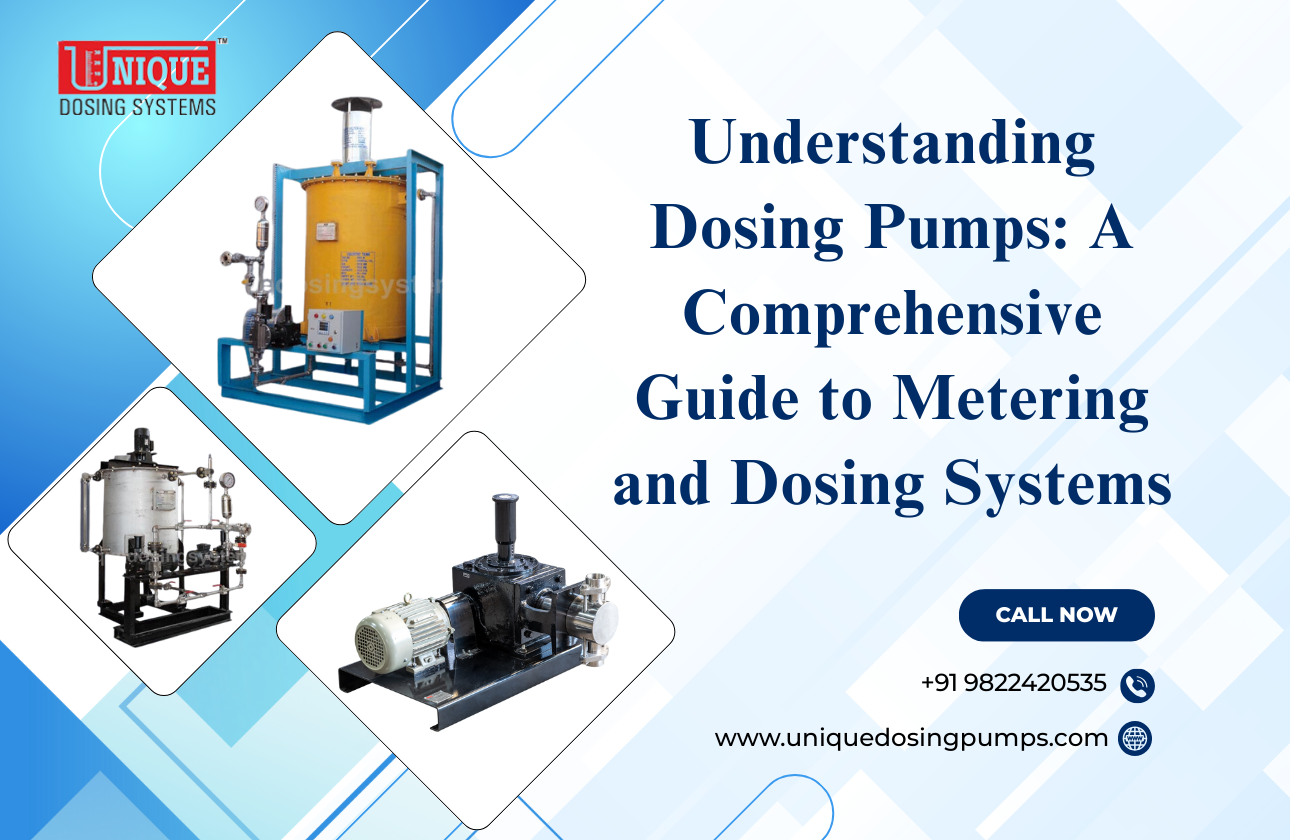
Understanding Dosing Pumps: A Comprehensive Guide to Metering and Dosing Systems
Dosing pumps, also commonly referred to as metering pump, are essential components in various industrial and commercial applications. They are designed to deliver precise amounts of liquids or chemicals into a system or process, ensuring accuracy and efficiency. In this blog post, we will delve into the types, functions, and applications of dosing pumps and dosing systems.
What Are Dosing Pumps?
Dosing pumps are positive displacement pumps designed to inject a precise flow rate of chemical or substance into a system. They are typically used in applications where controllable and accurate chemical delivery is crucial, such as in water treatment, chemical manufacturing, and food processing industries.
Types of Dosing Pumps
There are several types of dosing pumps, each offering unique advantages:
- Diaphragm Dosing Pumps: Utilize a diaphragm, made from materials such as rubber, to move fluid in and out of the pumping chamber. They are known for their accuracy and are suitable for handling corrosive chemicals.
- Piston Dosing Pumps: Feature a piston mechanism that moves fluid accurately. These pumps are often used in high-pressure applications.
- Peristaltic Dosing Pumps: Use rotating rollers to squeeze a flexible tube, which drives the liquid through the system. They are excellent for handling shear-sensitive and viscous fluids.
Applications of Metering Pumps
The versatility of metering pump extends across numerous industries:
- Water Treatment: Ensuring the precise addition of chemicals for pH control, disinfection, or coagulation in water treatment facilities.
- Food and Beverage: Accurately adding flavors, colors, or preservatives to food products to maintain consistency and quality.
- Chemical Processing: In chemical manufacturing, metering pumps are used to add reagents and catalysts with precision.
Choosing the Right Dosing System
When selecting a dosing systems, several factors need to be considered:
- Flow Rate: Determine the required flow rate and ensure the pump can meet these needs.
- Chemical Compatibility: Ensure the pump materials are compatible with the chemicals being used to avoid corrosion or degradation.
- Pressure Requirements: Consider the pressure demands of your system and choose a pump capable of operating effectively under these conditions.
In conclusion, dosing pumps and metering pump play a critical role in various applications by offering precision and efficiency. Selecting the right pump involves an understanding of your specific needs and conditions, which will ensure optimal performance and longevity of the system.
If you have any questions or need further assistance with selecting the right dosing system for your application, feel free to reach out to our team of experts.
Published on January 7, 2026 by Admin