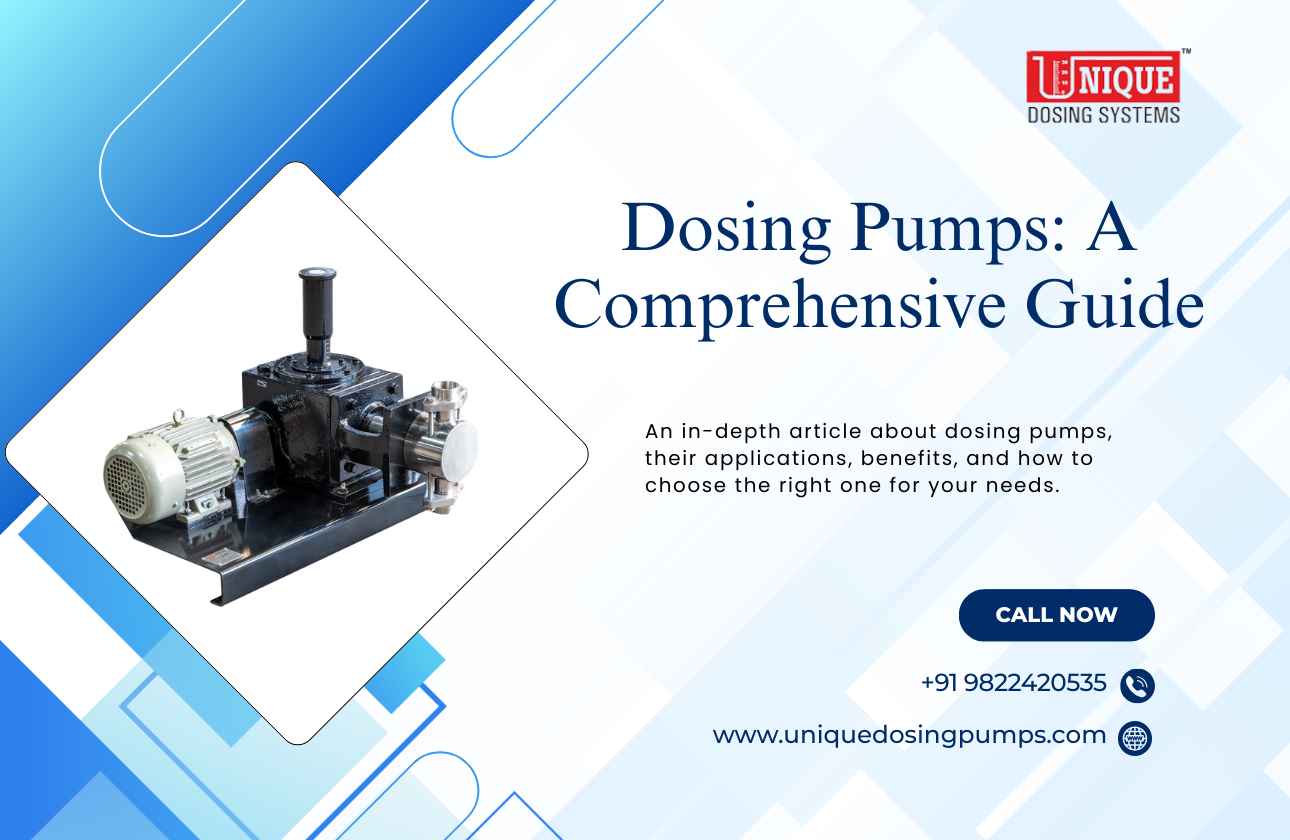
What are Dosing Pumps?
Dosing pumps are special equipment used to inject a precise amount of fluid into another fluid. They are essential tools in various industries, including pharmaceuticals, water treatment, and food processing, ensuring that chemicals are added with accuracy and consistency. These pumps are designed to manage the amount of liquid by controlling the speed of the pump or altering the stroke length. You can learn more about their intricacies in our in-depth guide.
Main Components of Dosing Pumps
A dosing pump typically consists of several key components: a pump head, motor, control system, valves, and a power supply. The pump head is where the liquid flows through, while the motor acts as the driving force. The control system regulates the flow rate and timing, ensuring that the pump delivers the right amount of fluid. Valves ensure that the fluid moves in the correct direction, and the power supply provides the necessary energy for the pump's operation.
Types of Dosing Pumps
There are several types of dosing pumps, each designed for different applications. The most common are piston pumps, diaphragm pumps, and peristaltic pumps. Diaphragm pumps are highly popular due to their precision and ability to handle a wide range of fluids, including corrosive chemicals. Piston pumps are mainly used where high pressure is needed, while peristaltic pumps excel in handling shear-sensitive fluids. Further information on choosing the right type is available in our article on metering pumps manufacturers.
The Benefits of Dosing Pumps
Dosing pumps offer several advantages which contribute to their widespread use. One of the primary benefits is accuracy; they help in delivering precise amounts of chemicals, which minimizes wastage and cost. They also enhance safety by allowing dangerous chemicals to be handled without direct human contact. Dosing pumps are also flexible, adjusting to various applications with ease, and they can operate continuously over extended periods without reliability issues.
Key Considerations for Choosing Dosing Pumps
When selecting a dosing pump, there are several factors to consider to ensure optimal performance. It is crucial to understand the nature of the fluid, such as its temperature, viscosity, and chemical properties, as these factors can affect the pump's efficiency. The desired flow rate and pressure are also important considerations. Understanding your system's requirements will guide you in making the best choice, as outlined in our guide on dosing system manufacturers.
Applications of Dosing Pumps
Dosing pumps are versatile and used in a variety of applications, from water treatment plants where they help in the careful addition of disinfectants like chlorine, to food processing industries where they control the amount of flavoring added to ensure consistent taste. They are also critical in the pharmaceutical industry by allowing for the precise delivery of essential chemicals and even in agriculture for nutrient management in soil. Discover more about their role in various sectors through our detailed exploration of top manufacturers.
Maintenance and Care for Dosing Pumps
Proper maintenance is key to prolonging the life of a dosing pump. Regular checks on components such as diaphragms, seals, and valves help prevent leaks and ensure that the pump operates efficiently. Keeping the pump clean, especially when working with viscous or abrasive chemicals, will reduce wear and tear. The performance of the control system should also be regularly evaluated to ensure it is delivering the right dosing levels.
Frequently Asked Questions
1. How do I know which dosing pump is right for my needs?
Answer: Consider factors such as the type of fluid, required flow rate, pressure conditions, and chemical compatibility. A consultation with a specialist or referring to a comprehensive guide can also be helpful.
2. Can dosing pumps handle all types of chemicals?
Answer: Most dosing pumps are designed to handle a wide range of chemicals, but it's crucial to check the pump's material compatibility with the specific chemicals you intend to use.
3. How often should I service my dosing pump?
Answer: Regular service intervals depend on the pump's usage and the chemicals used. Typically, it’s advised to conduct a maintenance check every few months.
4. What are common problems faced with dosing pumps?
Answer: Some common issues include leaks, inefficient dosing, and clogging. These problems often arise from improper maintenance or incompatible chemical use.
5. Are dosing pumps energy-efficient?
Answer: Yes, modern dosing pumps are designed to be energy efficient, which can lead to lower operational costs over time.
Published on March 5, 2026 by Admin