Dosing Pumps and Dosing Systems: A Comprehensive Guide
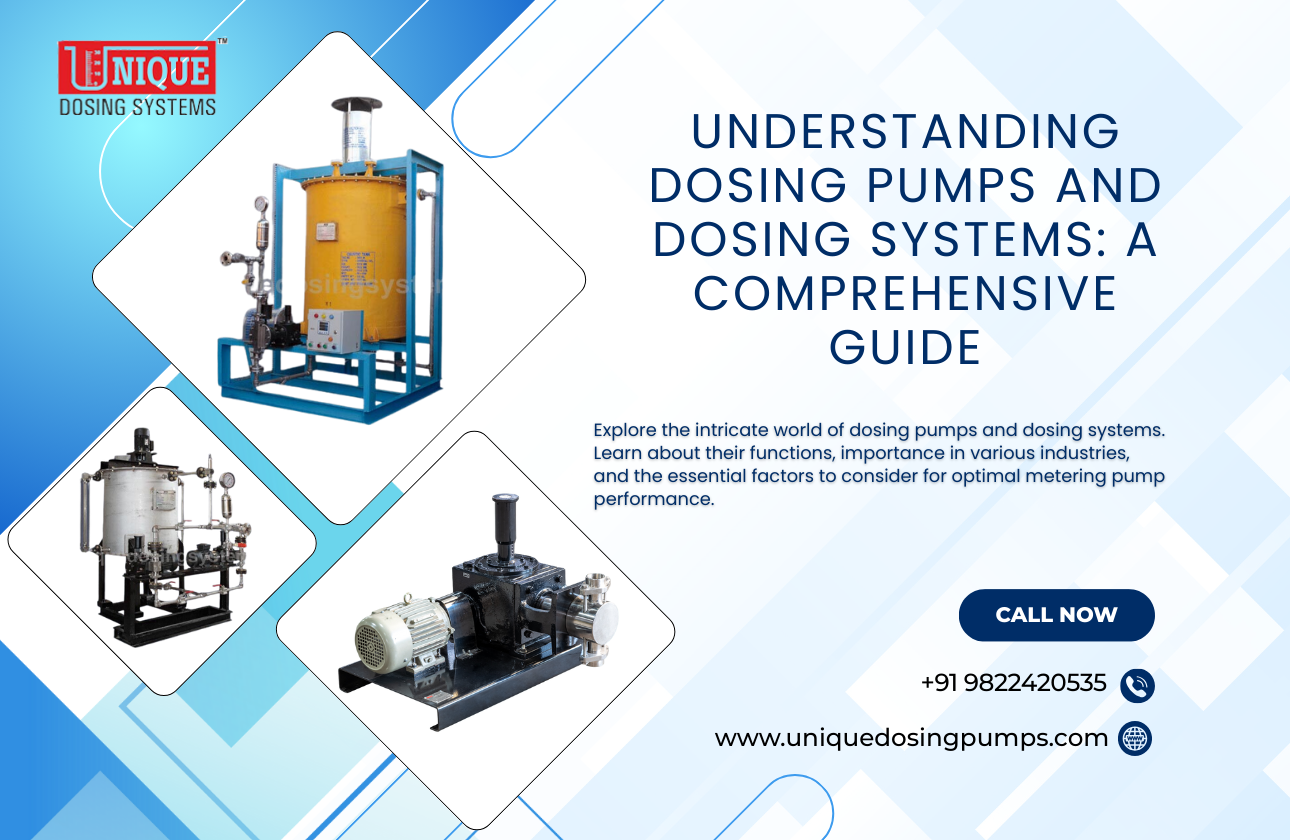
Dosing pumps, also known as metering pumps, are integral components in various industries, responsible for the precise calibration of liquids, from water treatment to chemical manufacturing and beyond. In this article, we will explore how dosing systems play a pivotal role, their operational mechanics, and the factors one must consider to ensure efficient and accurate flow rates.
What are Dosing Pumps?
Dosing pumps are designed to pump a precise flow rate of chemicals or other substances into a stream or system. These pumps ensure that the correct amount of a substance is delivered at the correct time, which is critical in processes where precision is paramount.
Types of Dosing Pumps
The most common types of dosing pumps include diaphragm pumps, piston pumps, and peristaltic pumps. Each of these types has unique features and benefits:
- Diaphragm Pumps: These pumps use a diaphragm, a rubber, thermoplastic, or teflon one, to move liquid. They are known for their accuracy and chemical compatibility.
- Piston Pumps: Characterized by their high-pressure capabilities, piston pumps utilize one or more pistons to move fluid through the pump. They are ideal for highly viscous fluids.
- Peristaltic Pumps: These utilize a rotor mechanism to press liquid through the tubing, making them perfect for handling slurries and high-pressure applications.
Key Features of Dosing Systems
Dosing systems consist of the dosing pump, driving motors, control systems, and essential fittings like tanks and pipes. Key features include:
- Precision: The ability to deliver exact quantities of fluid consistently.
- Flexibility: Can handle various types of fluids, including corrosive substances and abrasive mixtures.
- Automation: Many modern systems offer automated controls for convenience and the reduction of human error.
Applications of Metering Pumps
Metering and Dosing systems are utilized across numerous sectors, including:
- Water Treatment: Essential for disinfection and pH control.
- Chemical Manufacturing: Needed for precision mixing of raw materials.
- Food and Beverage: Used for flavoring, coloring, and preservative distribution.
Choosing the Right Dosing Pump
When selecting a dosing pump, consider factors such as:
- Chemical Compatibility: Ensure the pump material is compatible with the chemicals being used.
- Flow Rate and Pressure: Determine the required flow rate and operating pressure.
- Environment: Assess the operational environment to ensure the Metering pumps can withstand conditions such as temperature and humidity.
Conclusion
Metering pumps and their systems are a backbone in various industrial processes, ensuring efficiency, precision, and safety. Whether used in a simple water treatment operation or a complex chemical processing plant, choosing the right pump and system can profoundly impact operational success.
Understanding and selecting the right components based on your specific needs will help optimize operations and maintain compliance with industry standards.