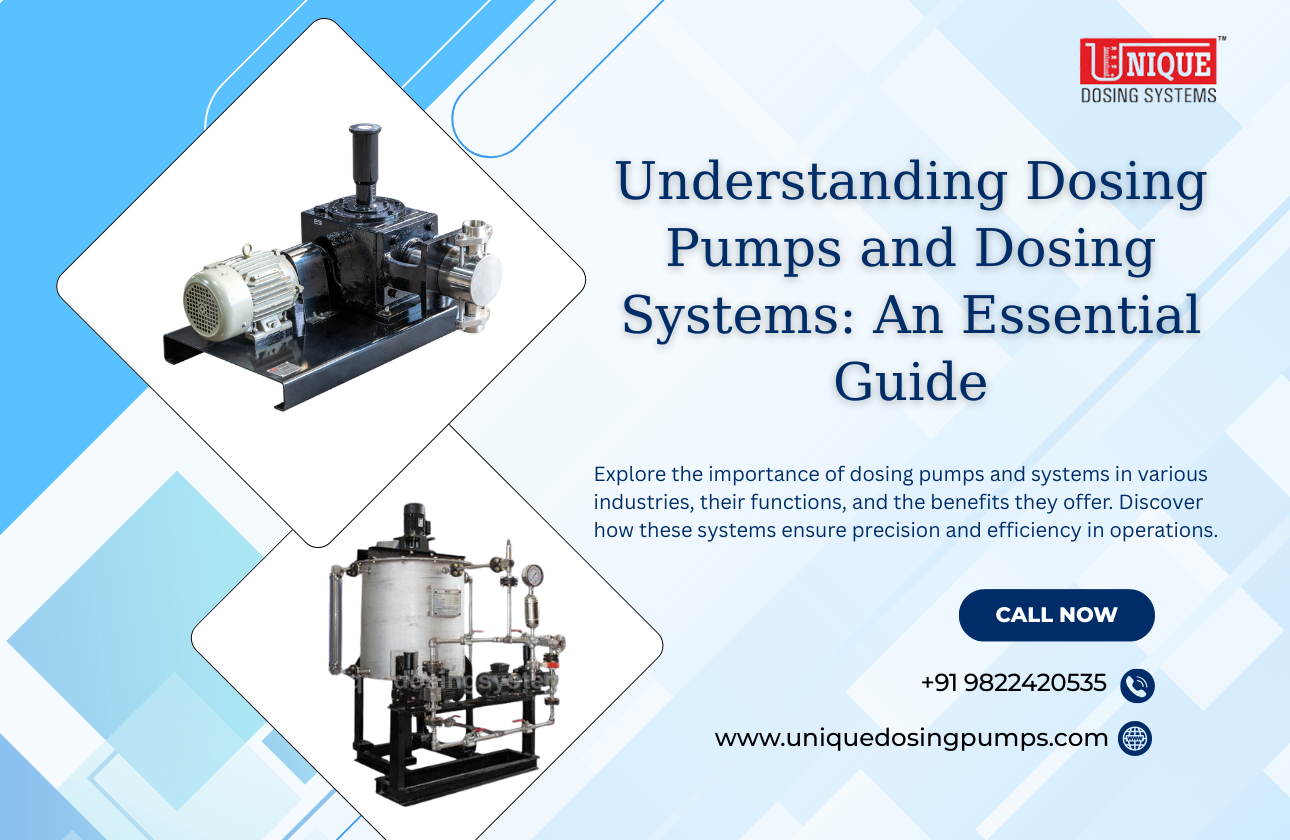
Understanding Dosing Pumps and Dosing Systems: An Essential Guide
In the realm of industrial operations and manufacturing, precision is vital. Dosing pumps and dosing systems play a pivotal role in maintaining this precision by carefully managing the delivery of chemicals and other fluids. Whether for water treatment processes, food production, or chemical manufacturing, understanding these systems is crucial for ensuring accuracy and efficiency.
What is a Dosing Pump?
A dosing pump is a specialized pump used to inject a chemical or another substance into a flow of water, gas, or steam. These pumps are integral to dosing systems and are designed to offer high levels of control over the quantities being dispensed. The primary function of a dosing pump is to maintain a precise flow rate, which is critical for processes requiring exact ingredient proportions.
The Role of Dosing Systems
Dosing systems consist of a combination of components that work together to regulate the dosage levels of substances. These systems include dosing pumps, control units, and storage tanks, each playing a distinctive role. A well-calibrated dosing system can ensure that fluids are delivered consistently, enhancing process quality and reducing waste.
Key Components of Dosing Systems:
- Dosing Pumps: The heart of the system, responsible for fluid transfer.
- Control Units: Manage the operational parameters and ensure precision.
- Storage Tanks: Supply the fluids to the dosing pump.
Benefits of Using Dosing Pumps and Systems
The implementation of dosing system can offer numerous advantages across various industries:
- Enhanced Accuracy: Allows precise control of the dosages, reducing the likelihood of overuse or underuse.
- Improved Efficiency: Streamlines processes by reducing manual intervention and enabling automated operations.
- Cost-Effective: Minimizes waste, leading to reduced material costs over time.
- Environmental Safety: Ensures that potentially harmful substances are handled safely, reducing the risk of spills and contamination.
Applications Across Industries
Dosing systems are employed in various sectors for their adaptability and precision. In the water treatment industry, they are crucial for controlling chemical imbalances and ensuring safe water quality. In food and beverage production, dosing systems guarantee consistent flavor and quality by regulating ingredient proportions. Similarly, in pharmaceuticals, these systems are indispensable for the accurate formulation of medicines.
Conclusion
Understanding the function and benefits of dosing pumps and dosing systems is essential for industries that depend on precision and efficiency. As technology advances, these systems continue to evolve, offering enhanced features and improved accuracy. By integrating these systems, businesses can achieve not only operational excellence but also contribute to a more sustainable future.
For anyone involved in industries where fluid control is vital, investing in high-quality dosing systems is a step towards operational efficiency and elevated product quality.
Published on February 9, 2026 by Admin