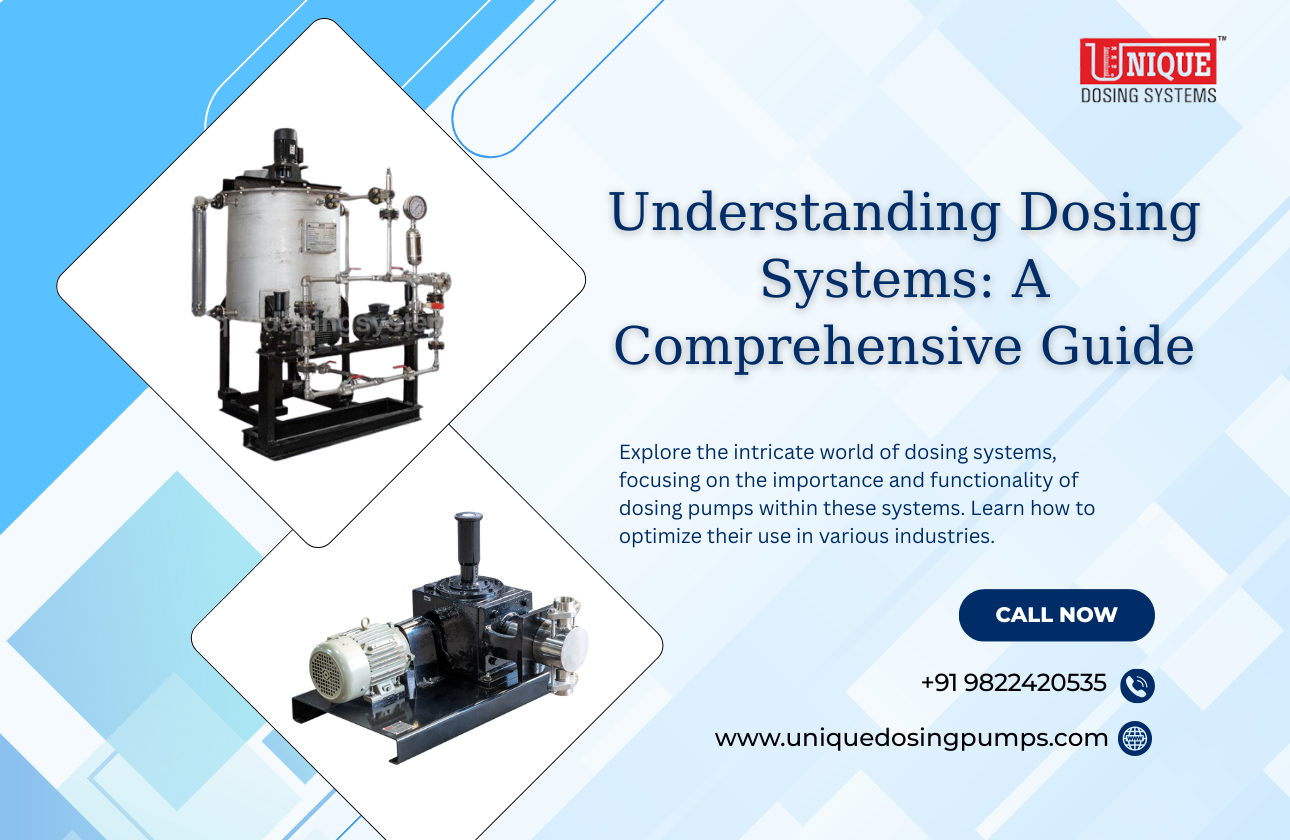
In today's industrial landscape, the precision and efficiency of processes can significantly impact productivity and profits. One unsung hero in ensuring these facets is the dosing pump, a critical component of dosing systems pivotal for precise fluid control. This blog explores the workings, types, and applications of dosing pumps and systems, and why they are integral in varied sectors.
What is a Dosing Pump?
A dosing pump is a small, positive displacement pump designed to deliver an accurate flow rate of chemical or other fluids into water, steam, or gas flow. These pumps are used to inject precise volumes of liquids into a system at specified intervals. They play a vital role in applications that require exact dosing or mixing proportions, such as water treatment, chemical transferring in industrial processes, and food industry applications.
The Role of Dosing Systems
Dosing systems are comprehensive solutions that integrate several dosing pumps with monitoring and control technologies to ensure accurate dosing and mixing. These systems are indispensable across various sectors, including water treatment, pharmaceuticals, and oil and gas industries, where controlled substance mixing and distribution is crucial.
Types of Dosing Pumps
Dosing pumps come in multiple configurations, tailored to meet specific industrial needs. The most common types include:
- Diaphragm Pumps: Utilizing a diaphragm to displace fluid, these pumps are known for their precision and safety, especially in handling hazardous chemicals.
- Peristaltic Pumps: Known for their straightforward design, they use a flexible tube and rollers to move the fluid, ideal for viscous liquids and shear-sensitive solutions.
- Piston Pumps: Capable of high-pressure outputs, these are suitable where precise dosing at low flow rates is required.
Benefits of Using Dosing Systems
Adopting dosing systems provides numerous benefits:
- Accuracy: Ensures precise delivery of liquids, minimizing waste and maximizing efficiency.
- Automation: Advanced systems automate chemical processes, reducing manual intervention and errors.
- Safety: Reduces the risk of exposure to hazardous chemicals through enclosed systems.
- Scalability: Easily scalable to meet increased industrial demands, offering flexibility in operation.
Choosing the Right Dosing System
Selecting the proper dosing system involves considering several factors:
- Nature of the Fluid: Compatibility with the chemicals being used, including their viscosity and chemical reactivity.
- Flow Rate Requirements: The desired flow rate, determining the type and size of pump needed.
- Application Environment: Systems need to meet environmental and safety standards pertinent to their operating locales.
- Control and Monitoring: Advanced systems offer remote monitoring and automated control features for enhanced precision.
Dosing pumps and systems, by offering precision, flexibility, and control, are indispensable in any operation requiring careful fluid management. Whether for industrial, environmental, or even domestic purposes, selecting the right system can enhance efficiency, ensure safety, and conserve resources.
Understanding their functionality and application will empower you to make informed decisions that align with your specific operational needs.
Published on February 10, 2026 by Admin