
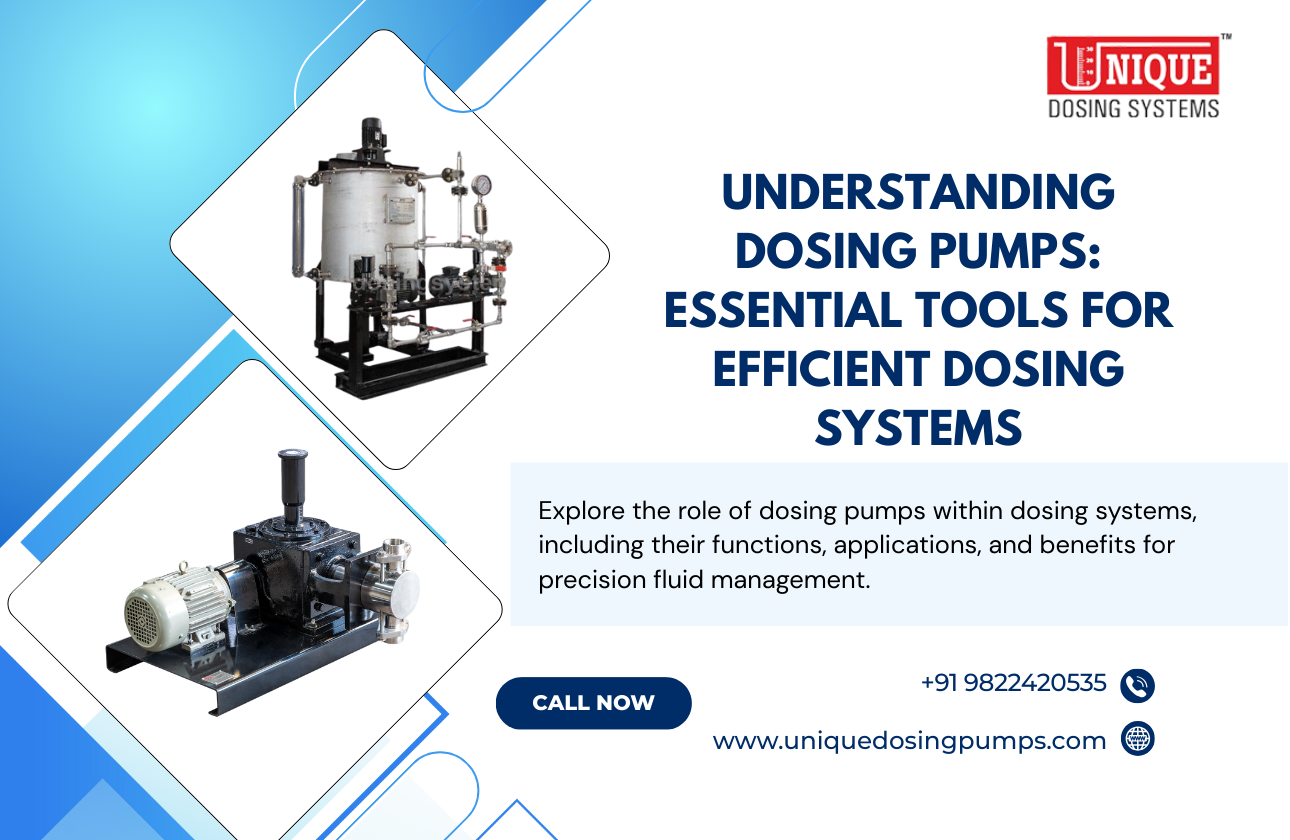
Understanding Dosing Pumps: Essential Tools for Efficient Dosing Systems
Dosing pumps, also known as metering pumps, are a crucial component in various dosing systems across industries. These mecanical devices are designed to inject precise amounts of liquid substances into a system, ensuring accurate chemical management and consistency. This blog post aims to explore the function, applications, and benefits of dosing pumps.
What is a Dosing Pump?
A dosing pump is a small pump used to inject a precise flow rate of chemicals or other substances into a volume or flow of water, gas, or steam. They are commonly used in manufacturing, agriculture, medicine, and many other industries environments where precise fluid management is required.
Key Components of a Dosing System
A typical dosing system consists of several key components, including:
- Dosing Pump: The heart of the system, it ensures the accurate dispensing of liquid chemicals.
- Suction Line: Connects the dosing pump to the chemical tank or liquid source.
- Injection Pipe: Delivers the chemical from the pump into the system or process.
- Control System: Often automated, it regulates the pump's dosing rate and timing to align with process requirements.
Applications of Dosing Pumps in Various Industries
Dosing pump play a vital role in numerous applications, including:
- Water Treatment: Used for adding purification chemicals in municipal and industrial water treatment facilities.
- Food and Beverage: Ensure correct ingredient proportions in production lines.
- Pharmaceuticals: Critical in processes that require chemical precision and consistency.
- Agriculture: Enable accurate fertilization and chemical treatment in irrigation systems.
Benefits of Using Dosing Pumps
The advantages of incorporating dosing pumps into a dosing system include:
- Precision: They offer high accuracy in dispensing, reducing waste and variances in product quality.
- Versatility: Suitable for dispensing a wide range of liquids with varying viscosities.
- Automation: Modern dosing pumps can be integrated with smart technologies for automated and remote-controlled operations.
- Consistency: Ensure uniform results, crucial for industries where quality can impact safety or regulatory compliance.
Conclusion
Dosing pumps form the backbone of effective dosing systems by offering precision, versatility, and consistency across multiple industrial applications. By understanding and choosing the right dosing pump configuration, businesses can enhance efficiency, reduce waste, and ensure the integrity of their processes. Investing in high-quality dosing pumps is essential for any operation aiming for efficiency and accuracy in liquid handling.