
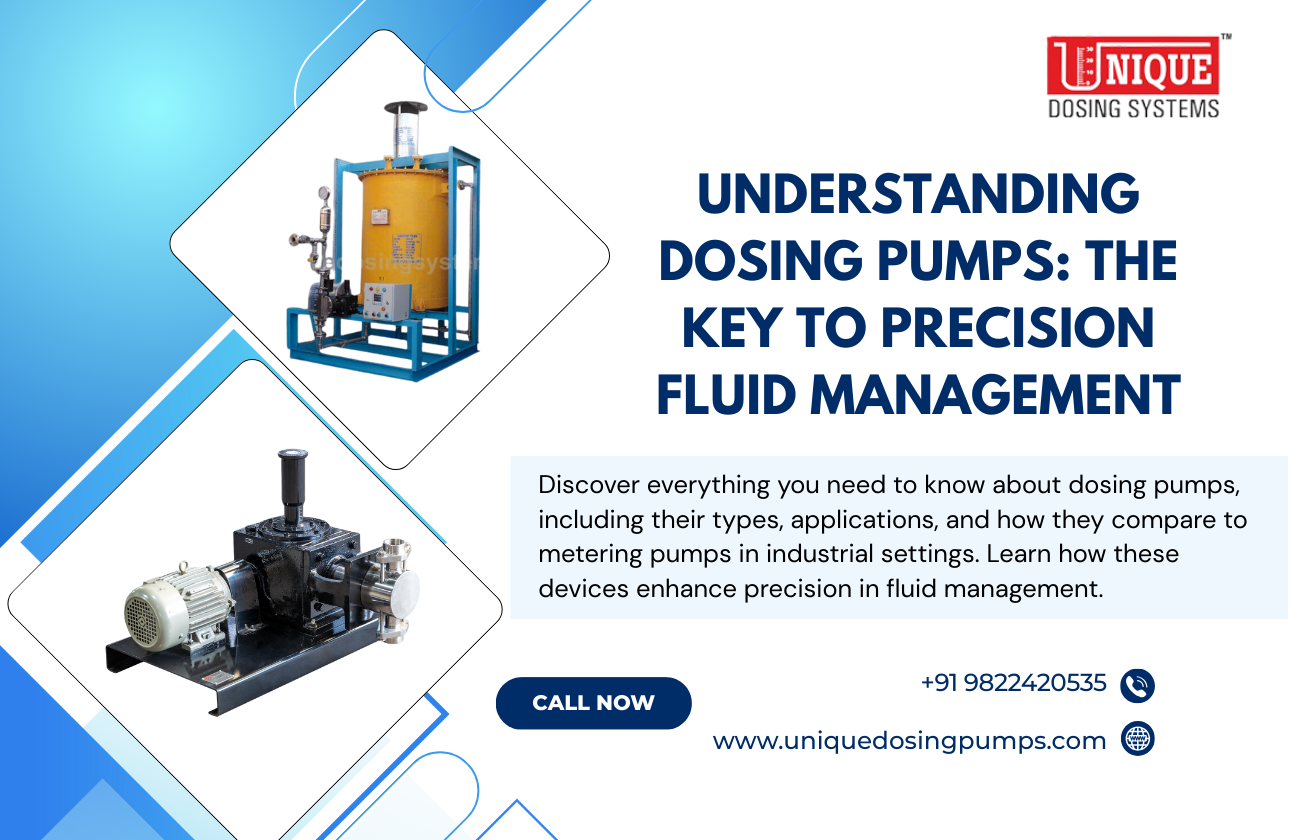
Understanding Dosing Pumps: The Key to Precision Fluid Management
Dosing pumps, often interchangeably referred to as metering pumps, are an essential component in a range of industries that require the precise delivery of chemicals or fluids into a system. These pumps are designed to provide accuracy and control in fluid management, making them indispensable in applications such as water treatment, food and beverage processing, and pharmaceutical manufacturing.
What is a Dosing Pump?
A dosing pump is a small, positive displacement pump with the capability to pump a very precise flow rate of liquid chemicals or solutions into a system. Their precision makes them particularly suitable for applications where exact measurements are crucial.
Dosing pumps function by drawing a defined amount of fluid into a chamber and then injecting it into a pipeline or tank. Their design ensures that they deliver consistent amounts, regardless of factors such as pressure fluctuations.
Types of Dosing Pumps
There are several types of dosing pumps, each suited for specific applications:
- Diaphragm Dosing Pumps: These use a diaphragm, solenoid, or hydraulic actuator to create a reciprocating action to displace the fluid. They are known for their accuracy and are often used when handling corrosive chemicals.
- Peristaltic Dosing Pumps: Using a set of rollers to squeeze a tube, these pumps are capable of handling viscous fluids and are ideal for applications where cleanliness is paramount, such as in the pharmaceutical industry.
- Piston Dosing Pumps: Known for their high-pressure capabilities, they are used in situations where high precision and reliability are required.
Applications of Dosing Pumps
Dosing pumps are integral to numerous industrial processes:
In water and wastewater treatment, they are used to inject disinfectants, coagulants, or pH-regulating chemicals accurately. In the food and beverage industry, these pumps ensure the precise addition of flavorings, coloring agents, or preservatives. Moreover, in pharmaceuticals, accurate dosing pump is crucial for product efficacy and safety.
Difference Between Dosing Pumps and Metering Pumps
Though the terms dosing pump and metering pump are often used interchangeably, there are subtle distinctions. A metering pump is a type of dosing pump designed specifically for high precision and small flow rates at high pressure. When ultra-precise measurements are required, metering pumps are preferred.
The decision between a dosing pump and a metering pump depends on the specific requirements of the application, such as the level of precision, fluid characteristics, and pressure conditions.
Choosing the Right Dosing Pump
Choosing the right dosing pump requires consideration of several factors: chemical compatibility, required flow rate, pressure conditions, and the precision needed for the application. Proper selection ensures optimal performance, longevity of the system, and consistent process outcomes.
Conclusion
The role of dosing pumps, including metering pump, in industrial processes is pivotal. Their ability to deliver precise and controlled fluid volumes makes them an invaluable tool in many sectors. Investing in a well-chosen dosing pump can lead to improved efficiency, safety, and product quality.
Whether you’re handling water treatment, food production, or pharmaceuticals, understanding the functionality and applications of dosing pumps will equip you with the knowledge to optimize your fluid management processes.