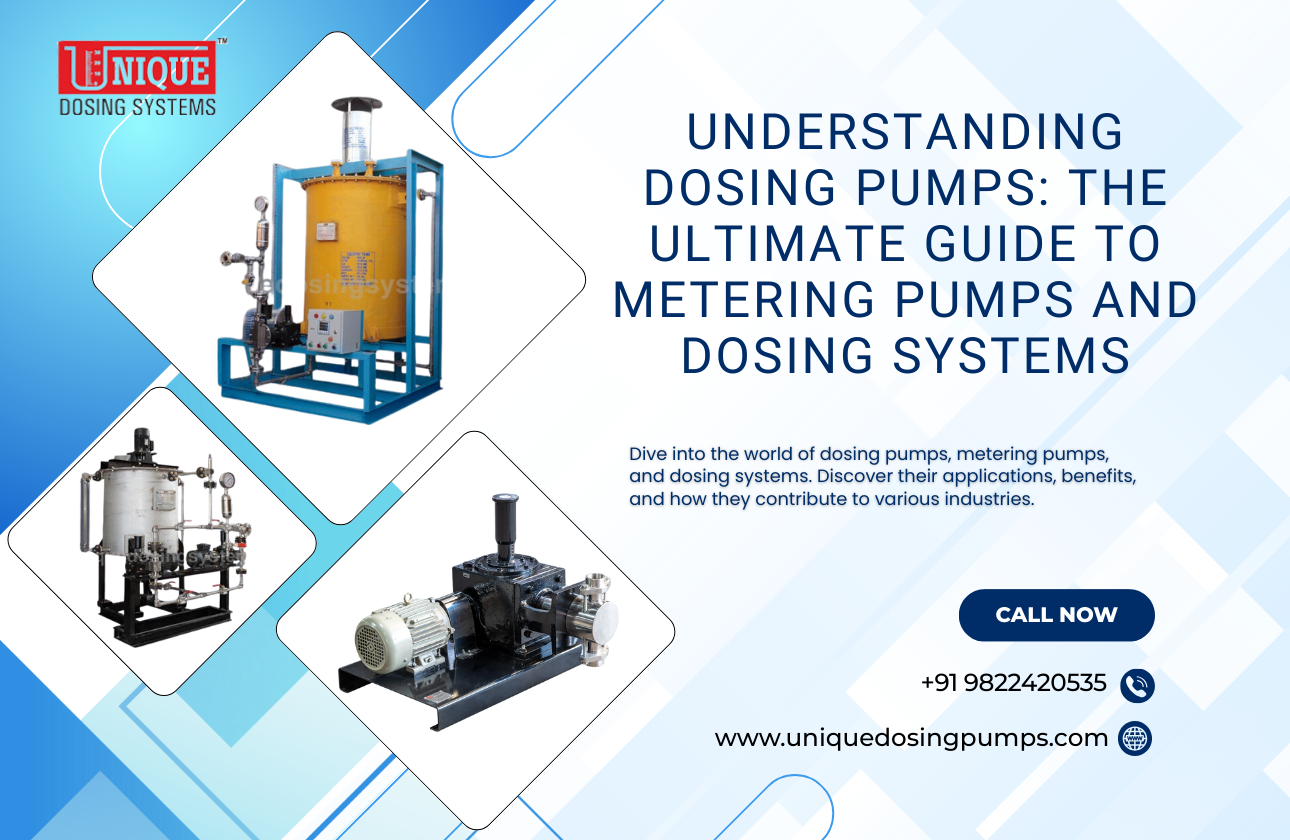
Understanding Dosing Pumps: The Ultimate Guide to Metering Pumps and Dosing Systems
Dosing pumps play a pivotal role in various industrial and domestic applications. Known for their precision and reliability, these pumps are essential for maintaining consistent fluid control in numerous sectors. In this guide, we will explore the intricacies of dosing pumps, metering pumps, and dosing systems.
What are Dosing Pumps?
Dosing pumps are engineered to move a precise amount of liquid over a specific time period. These pumps can handle a wide range of liquids, from viscous to those that contain particulates. They are crucial in industries where exact dosing is required, such as water treatment, pharmaceuticals, and food processing.
Types of Dosing Pumps
There are various types of dosing pumps, each designed to meet specific needs:
- Diaphragm Pumps: Utilized for their precision and ability to handle corrosive liquids.
- Peristaltic Pumps: Ideal for delicate fluids, preventing cross-contamination.
- Piston Pumps: Known for high-pressure applications.
The Importance of Metering Pumps
Metering pump are a type of dosing pump used for high precision fluid control. They ensure that the exact amount of substance is added to the process stream. This accuracy is crucial for maintaining the quality and consistency of the final product.
Applications of Metering Pumps
These metering pump are employed in:
- Water Treatment: Adding exact amounts of chemicals to treat wastewater.
- Chemical Industry: Ensuring precise chemical reactions and product formulations.
- Food and Beverage: Maintaining flavor and preservative consistency.
Exploring Dosing Systems
Dosing systems combine multiple pumps and other components to create a comprehensive system for fluid handling. These systems automatize the dosing process, reduce the risk of human error, and improve overall efficiency.
Components of an Effective Dosing System
- Pumps: The core component responsible for moving the liquid.
- Controllers: Regulate and monitor pump operations for accuracy.
- Tanks: Store the chemicals or fluids to be dosed.
- Valves: Control fluid flow and maintain system integrity.
Benefits of Implementing Dosing Systems
Here are some advantages of integrating dosing systems into your operations:
- Efficiency: Automated systems require minimal manual intervention.
- Cost-Effective: Reduces wastage and optimizes chemical usage.
- Precision: Guarantees exact dosing for quality control.
- Safety: Minimizes exposure to hazardous chemicals for operators.
Conclusion
Dosing pumps, metering pumps, and dosing systems are integral to many industries that demand precision and efficiency. By understanding their functionalities and applications, you can enhance your processes, ensuring quality, safety, and cost-effectiveness. Whether you are in the water treatment sector or involved in food production, these systems provide invaluable support to maintain optimal operational standards.
If you're considering implementing or upgrading your current systems, it's important to work with experienced suppliers who understand your industry requirements and can tailor solutions to fit your needs.
Published on December 24, 2025 by Admin