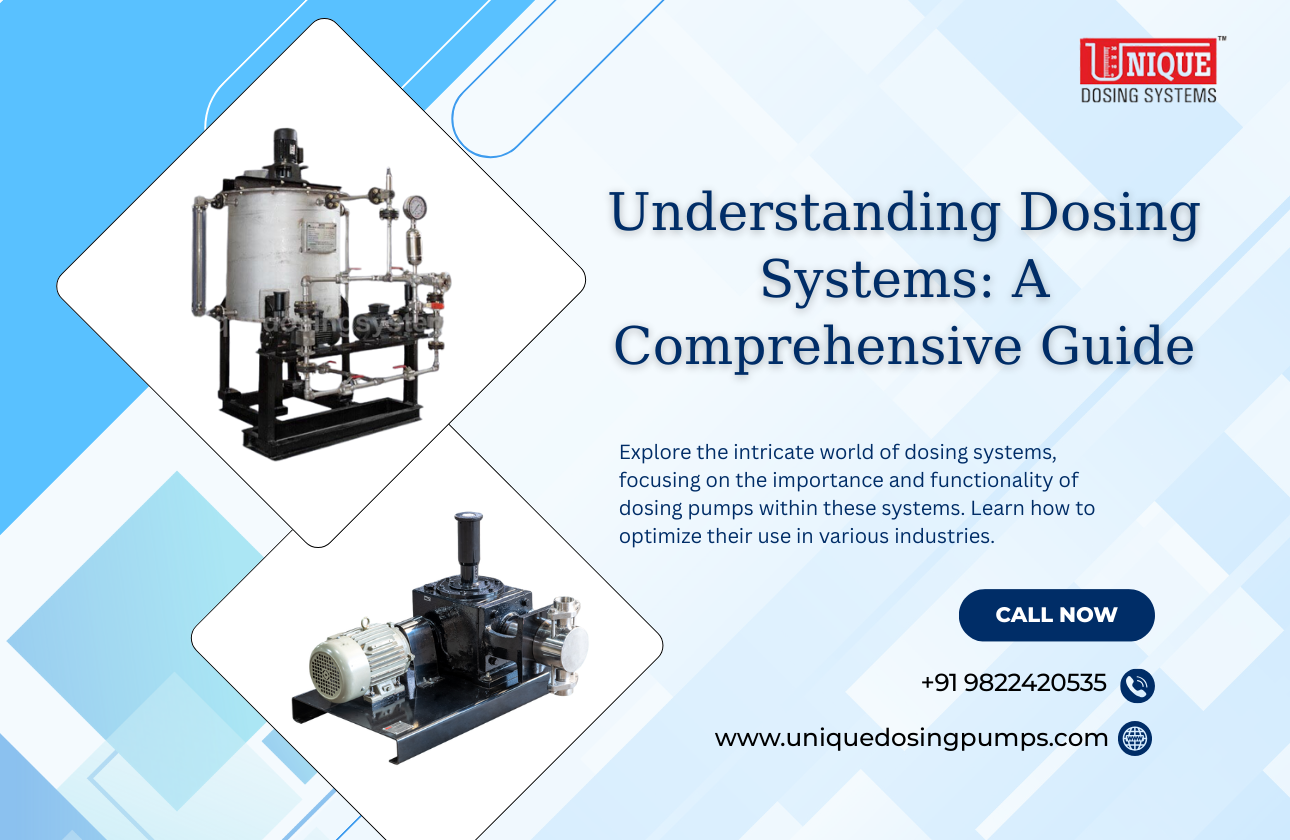
Understanding Dosing Systems: A Comprehensive Guide
Dosing systems are essential components in numerous industries, providing precise and controllable delivery of various substances. These systems ensure that the right amount of a product is added to a process, which can significantly enhance efficiency and product quality.
What Are Dosing Systems?
Dosing systems refer to the technology used to measure and control the flow of specific substances into a system or process. They are vital in industries such as water treatment, food and beverages, pharmaceuticals, and chemical manufacturing.
At their core, dosing systems are designed to maintain the exact proportions and concentrations needed for an application by delivering precise quantities over a set period.
The Role of Dosing Pumps
A crucial component of any dosing system is the dosing pump. These pumps are specifically engineered to dispense fluids in precise, controllable amounts. Whether it's liquids, gases, or slurries, dosing pumps ensure that the exact dosage is delivered every time. These pumps are highly customizable and can be adjusted for flow rate and pressure to meet the specific needs of the operation.
Types of Dosing Pumps
There are several types of dosing pump, each suited to different applications:
- Diaphragm Pumps: Known for their reliability and precision in liquid handling, these pumps use a diaphragm to change chamber volume to move fluids.
- Peristaltic Pumps: Often used for handling slurries and fluids with larger particulates, these pumps function by compressing and releasing a flexible tube.
- Piston Pumps: These are used in situations requiring high pressure and precision, such as chemical processing and in the pharmaceutical industry.
Applications of Dosing Systems
The use of dosing systems spans various sectors:
- Water Treatment: Ensure the correct amount of chemicals, such as chlorine or pH adjusters, are added to water to make it safe for consumption.
- Food & Beverage: Precise dosing in the production process can lead to consistent product quality and taste.
- Pharmaceuticals: Critical in precisely measuring and delivering drugs and chemicals for the manufacture of medications.
- Chemical Manufacturing: Essential in delivering exact quantities of reactants to control reactions and ensure safety.
Optimizing Your Dosing System
To ensure optimal performance of your dosing system, consider the following:
- Regular Maintenance: Regularly check and maintain your dosing system to prevent unexpected downtime and ensure accuracy.
- Select the Right Pump: Choose a dosing pump that fits your specific operational needs, taking into account the type of fluid, required pressure, and flow rate.
- Training Staff: Ensure staff are trained in operating and troubleshooting dosing systems to minimize errors and improve efficiency.
Conclusion
Dosing systems, equipped with advanced dosing pump, play a pivotal role in numerous industries by enhancing process control and product quality. By understanding the different types and applications of dosing systems, businesses can optimize their operations for greater efficiency and reliability.
Whether you're in chemical manufacturing, water treatment, or the food and beverage industry, an investment in a robust dosing system will not only improve your operational efficiency but also guarantee consistency and safety in your product output.
Published on February 8, 2026 by Admin