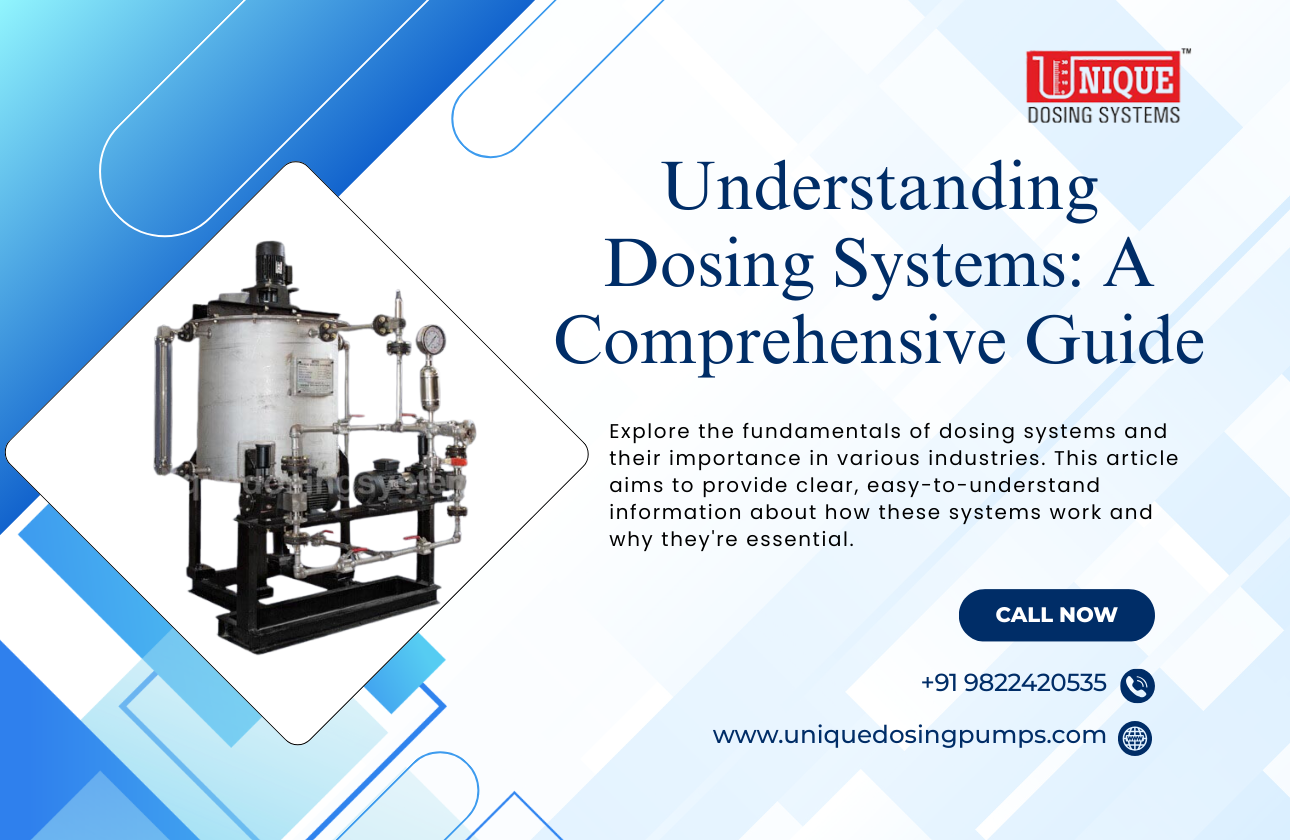
What is a Dosing System?
A dosing system is a setup that accurately measures and dispenses liquids or chemicals into a process or system. It is designed to deliver precise amounts of a substance, often in an industrial setting such as water treatment or food processing. Using a dosing system helps in maintaining the correct levels of substances, ensuring the process operates smoothly. These systems are essential for quality control and efficiency, preventing overuse or underuse of materials.
How Dosing Systems Function
Dosing systems operate by using pumps that push the required liquid into a flow of water or another medium. The pump can be controlled manually or automatically, depending on the complexity and requirements of the job. Some advanced systems use sensors to adjust the flow rate automatically, responding to changes in the process conditions. This capability ensures that the precise amount of additive is always administered, optimizing process performance and resource use.
Types of Dosing Systems
There are different types of dosing systems available, each suited for specific applications. Some common types include volumetric, gravimetric, and proportional dosing systems. Volumetric systems rely on volume measurements, whereas gravimetric systems depend on weight. Proportional dosing systems, on the other hand, adjust the dose based on the flow rate of the carrier fluid. Understanding the differences between these systems is crucial in selecting the right one for your needs.
Applications of Dosing Systems
Dosing systems are used in a variety of industries, including water treatment, chemical manufacturing, and food and beverage processing. In water treatment, they are used to add chemicals that purify the water. In the food industry, dosing systems add flavors or preservatives precisely. Each application requires a different approach to dosing, which is why systems are tailored to fit specific industry needs.
Advantages of Using Dosing Systems
Using a dosing system comes with several advantages. These include higher accuracy in dosing, reduced material waste, and improved process control. By maintaining an accurate chemical balance within the system, dosing systems help to enhance product quality and reduce operational costs. They also minimize human error, standardizing the quality of the final product or process outcome.
Challenges in Dosing Systems
While dosing systems offer many benefits, they also present some challenges. Selecting the right dosing pump, ensuring compatibility with different chemicals, and maintaining the systems require attention. Regular maintenance is necessary to prevent malfunctions and ensure the dosing system operates efficiently. Additionally, users need training to effectively manage and troubleshoot these systems to avoid process disruptions.
Choosing the Right Dosing System
Choosing the proper dosing system involves considering several factors, such as the type of chemical being dosed, the required precision, and the specific application's complexity. Consulting with experts or manufacturers can help you make an informed decision to get the best match for your requirements. You can learn more about this through our guide on choosing the right dosing systems.
The Future of Dosing Systems
As technology advances, dosing systems are becoming smarter with enhanced capabilities such as automation, remote monitoring, and data analytics. This progress is expected to make industrial processes even more efficient and reliable. Future dosing systems will likely incorporate more integration with digital tools to improve precision and streamline operations.
Frequently Asked Questions
1. What industries use dosing systems the most?
Answer: Industries like water treatment, pharmaceuticals, food and beverage, and chemical manufacturing frequently use dosing systems. Each industry leverages these systems to ensure quality and consistency in their processes.
2. How do I maintain a dosing system?
Answer: Regular maintenance of dosing systems involves checking the integrity of hoses and pumps, ensuring filters are clean, and verifying the calibration of dosing pumps. Frequent inspections and routine maintenance are key.
3. Can dosing systems be used for thick, viscous liquids?
Answer: Yes, dosing systems can be configured for thick, viscous liquids, though they may require specialized pumps designed for high-viscosity materials to ensure accurate dosing.
4. How do I choose the right type of dosing system?
Answer: Consider factors such as the chemical properties, required dosing accuracy, process conditions, and industry-specific needs. Consulting with an expert or using resources like our comprehensive guide is recommended.
5. Are dosing systems environmentally friendly?
Answer: Dosing systems can be environmentally friendly as they help in minimizing wastage and ensuring precise usage of chemicals. This not only reduces resource use but also lessens the environmental impact of industrial processes.
Published on March 7, 2026 by Admin