Introduction to Dosing Systems
Dosing systems play a crucial role in various industrial applications, ensuring precision in delivering specific amounts of substances into a process. These systems are commonly used in the chemical, pharmaceutical, and water treatment industries. The main goal is to achieve accurate dosing to maintain the desired chemical reaction or product quality. Think of dosing systems as the heart of modern precision operations, where accuracy matters most.
Components of a Dosing System
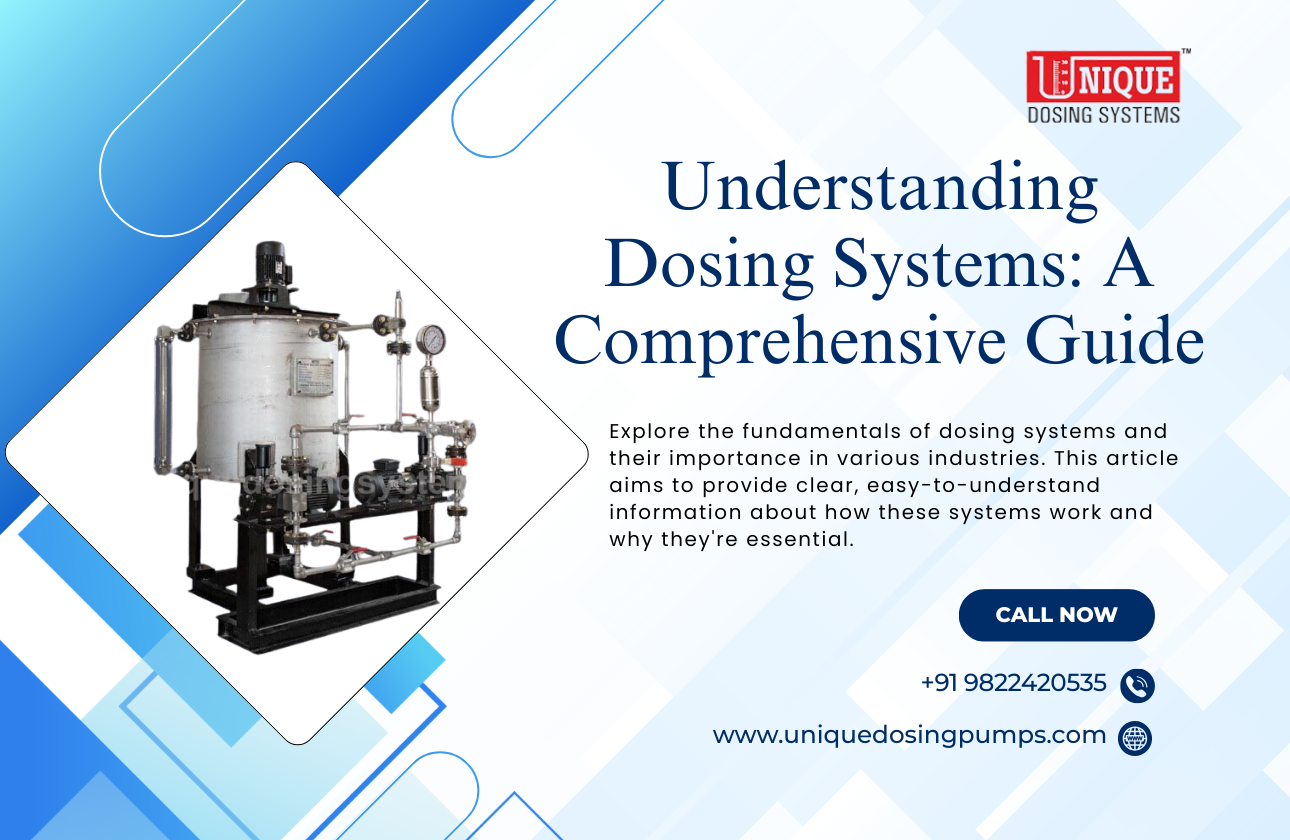
A typical dosing system includes several key components such as pumps, controllers, tanks, and piping. Each element contributes to the accurate delivery of substances. Pumps draw the fluid from a storage tank, while controllers regulate the flow rate. Tanks store the chemicals that need to be dosed, and the piping ensures the seamless flow of fluids. Together, these components form a system that is vital for maintaining the correct chemical balance in a variety of processes.
Types of Dosing Pumps
The choice of dosing pumps can significantly affect the efficiency of a dosing system. Common types include diaphragm pumps, peristaltic pumps, and piston pumps. Each type has its advantages depending on the application. Diaphragm pumps are popular for their accuracy, while peristaltic pumps are easy to maintain. Identifying the right pump is essential for achieving the desired results in any dosing application.
Applications of Dosing Systems
Dosing systems find applications in multiple sectors for their ability to manage precise chemical dosing. In the water treatment industry, they help in maintaining safe drinking water by accurately adding disinfectants and other chemicals. In the pharmaceutical sector, dosing systems ensure the correct formulation of drugs. Their application is not limited to these fields; they are also crucial in food processing and agriculture. The versatility of dosing systems makes them indispensable across industries.
Benefits of Using Dosing Systems
The use of dosing systems comes with numerous benefits, such as improved process control and reduced waste of chemicals due to overuse. This not only saves costs but also contributes to environmentally sustainable practices. Additionally, dosing systems ensure consistent quality in the products, which is essential for maintaining consumer trust and regulatory compliance. Overall, the adoption of dosing systems can lead to significant operational efficiencies.
Choosing the Right Dosing System
Selecting the right dosing system requires careful consideration of various factors like chemical compatibility, flow rate, pressure, and environmental conditions. The type of application and industry-specific requirements play a significant role in this decision. It's vital to work with providers who understand these nuances to ensure the system meets your needs effectively. For guidance on choosing the right system, check out this guide.
Installing and Maintaining Dosing Systems
Proper installation and maintenance are crucial for the longevity and efficient performance of dosing systems. Installation must be carried out according to the manufacturer's guidelines to avoid any mishaps. Regular maintenance checks and timely repairs help avoid downtime and ensure the system functions optimally. Efficient dosing systems require proactive care to stay efficient and reliable.
Challenges in Dosing System Operations
Operating dosing systems comes with certain challenges, such as maintaining accuracy under varying operational conditions. Ensuring all components work in harmony also requires constant monitoring. Operators must be well-trained to handle unexpected issues, and systems must be equipped with alarms or indicators to alert when things go out of control. Overcoming these challenges involves having a well-planned strategy and access to expert guidance.
Future of Dosing Systems
With advancements in technology, the future of dosing systems looks promising. Innovations such as IoT integration and advanced automation are expected to make dosing systems even more efficient and user-friendly. This evolution will likely open up new applications and industries where precise dosing can make a significant difference. As industries grow global, the demand for these advanced systems will only increase.
Frequently Asked Questions
1. What is a dosing system?
Answer: A dosing system is a set of equipment designed to manage the accurate addition of specific substances into a process. It usually involves pumps, controllers, and other components to ensure precision dosing.
2. Why are dosing systems important?
Answer: Dosing systems are crucial because they ensure that the right amount of chemical or substance is added to a process, which is vital for maintaining product quality and operational efficiency.
3. What industries use dosing systems?
Answer: Dosing systems are widely used in industries such as water treatment, pharmaceuticals, food processing, and agriculture, where precise dosing is critical for maintaining standards and safety.
4. How do I choose the right dosing system?
Answer: Choosing the right dosing system involves evaluating factors like chemical compatibility, required flow rate, pressure conditions, and specific application needs. Consulting experts and manufacturers can help guide this process.
5. What are the common challenges with dosing systems?
Answer: Common challenges include maintaining accuracy under different conditions, integration of system components, and training personnel to manage and troubleshoot effectively. Regular maintenance and monitoring are essential to overcome these challenges.
Published on March 6, 2026 by Admin