Introduction to Dosing Systems
Dosing systems are vital components in industries that require precise fluid management. These systems help in controlling the amount of substance being added to a process, making sure that the correct quantity is consistently delivered. This is crucial in sectors like water treatment and pharmaceuticals, where even small errors can have significant consequences.
How Dosing Systems Work
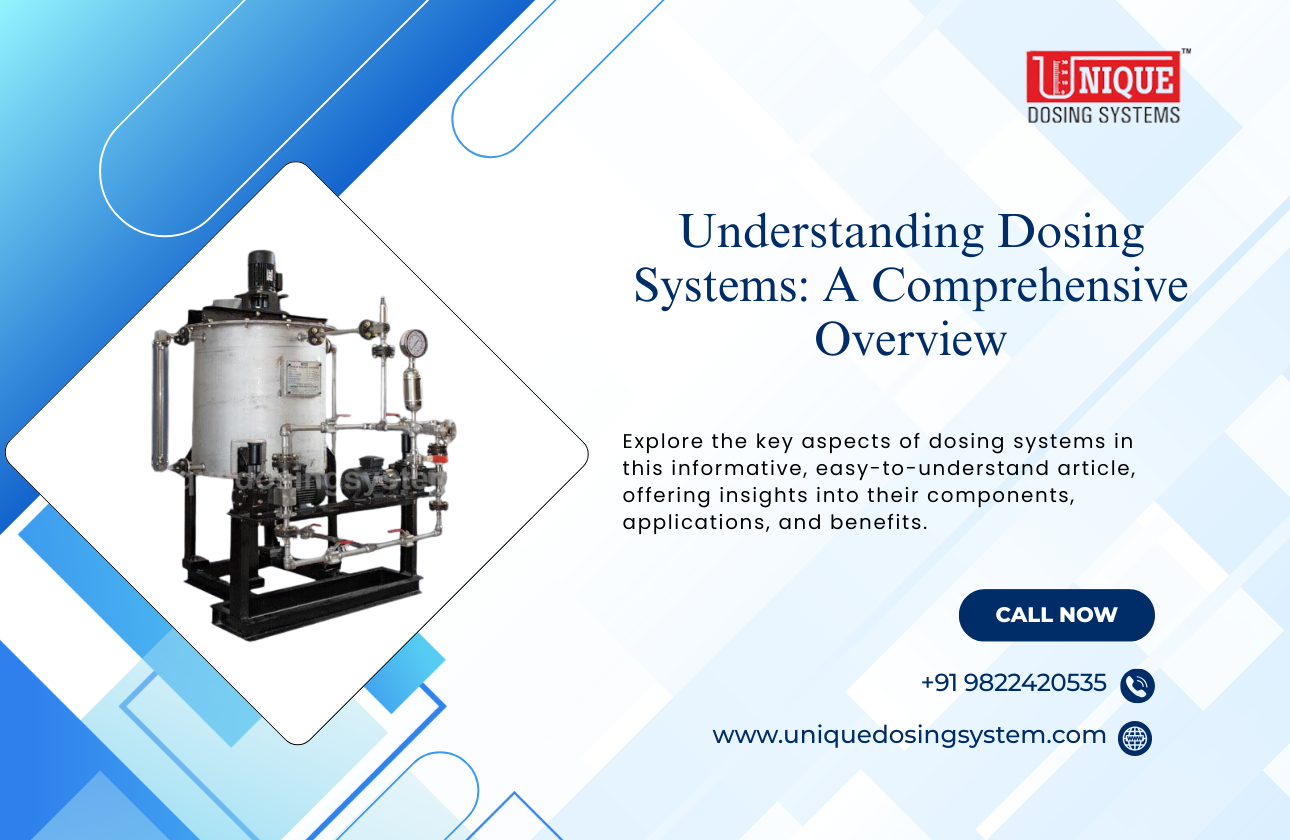
A dosing system typically consists of a pump, a controller, and sometimes sensors. The pump draws a specific volume of fluid from a source and directs it into another process. The controller adjusts the flow rate, ensuring accuracy and consistency. Sensors may be used to measure the concentration of the fluid, making this entire setup highly efficient for operations.
Applications of Dosing Systems
Dosing systems are extensively used in various industries. In agriculture, they help in fertilizing crops by mixing the right amount of nutrients with irrigation water. In swimming pools, they maintain the correct chemical balance for safe swimming. Their role is instrumental in sectors that rely on precise chemical dosing for optimal performance.
Choosing the Right Dosing System
Selecting a suitable dosing system depends on several factors, such as the type of fluid, the required concentration, and the process conditions. Understanding these needs helps in picking the right equipment that matches the operational requirements. Consulting an expert can also be beneficial in making the right choice.
Benefits of Using Dosing Systems
Utilizing dosing systems offers multiple benefits. They enhance process safety by minimizing human intervention, ensuring consistent product quality. They also save resources by reducing waste and optimizing fluid usage. This efficiency translates to cost savings and better regulatory compliance.
Understanding Metering Pumps in Dosing Systems
Metering pumps are crucial in dosing systems as they ensure accurate fluid delivery. They are designed to handle different fluids, from chemicals to slurries, with varying viscosities. This versatility makes them indispensable in achieving precision in fluid management.
Dosing Systems and Environmental Impact
Dosing systems play a significant role in minimizing environmental impact. Accurate dosing ensures minimal waste, contributing to sustainable practices. By controlling emissions and reducing chemical runoff, they support environmental conservation efforts, highlighting the importance of responsible industrial practices.
Common Challenges and Solutions in Dosing Systems
Dosing systems can face challenges like clogging, leakage, or inaccurate dosing due to equipment wear and tear. Regular maintenance and using high-quality components can alleviate these issues. It's essential to address these problems promptly to maintain system efficiency.
Latest Innovations in Dosing Systems
Technological advancements have introduced innovations in dosing systems, such as automated dosing and real-time monitoring. These innovations enhance accuracy and efficiency. With smart technology integration, users can control and monitor dosing systems remotely, ensuring better management.
Frequently Asked Questions
1. What is the main purpose of a dosing system?
Answer: The main purpose of a dosing system is to accurately control the addition of a substance, such as a chemical or nutrient, into a process. This ensures that the correct amount is delivered consistently, which is crucial for maintaining product quality and process efficiency.
2. How do I choose the right dosing system for my needs?
Answer: Choosing the right dosing system involves understanding your process requirements, including the type of fluid you need to dose, the required concentration, and the specific process conditions. Consulting with an expert and considering the equipment's compatibility with your operational requirements can help you make the right choice.
3. What industries benefit most from using dosing systems?
Answer: Industries such as water treatment, agriculture, pharmaceuticals, and food processing benefit significantly from using dosing systems. These systems help ensure precise dosing of chemicals or nutrients, leading to optimal product quality and process efficiency.
4. Can a dosing system be automated?
Answer: Yes, dosing systems can be automated. Technological advancements have enabled the integration of automated dosing and real-time monitoring into these systems. This automation enhances accuracy and efficiency and allows users to control and monitor systems remotely.
5. How do dosing systems contribute to environmental sustainability?
Answer: Dosing systems contribute to environmental sustainability by minimizing waste and reducing chemical emissions. By ensuring accurate and efficient dosing, these systems help prevent chemical runoff and contribute to more sustainable industrial practices.
Published on March 6, 2026 by Admin