In the ever-evolving world of industrial processes, precision is more than just a requirement; it's a necessity. Whether in water treatment, chemical manufacturing, or pharmaceuticals, the need for exact fluid management has never been greater. This is where dosing systems and metering pumps come into play, offering unmatched accuracy and efficiency.
What Are Dosing Systems?
Dosing systems are sophisticated setups designed to introduce desired volumes of a substance into a process stream. Typically, these systems are tasked with adding chemicals, nutrients, or other essential materials with precision and repeatability.
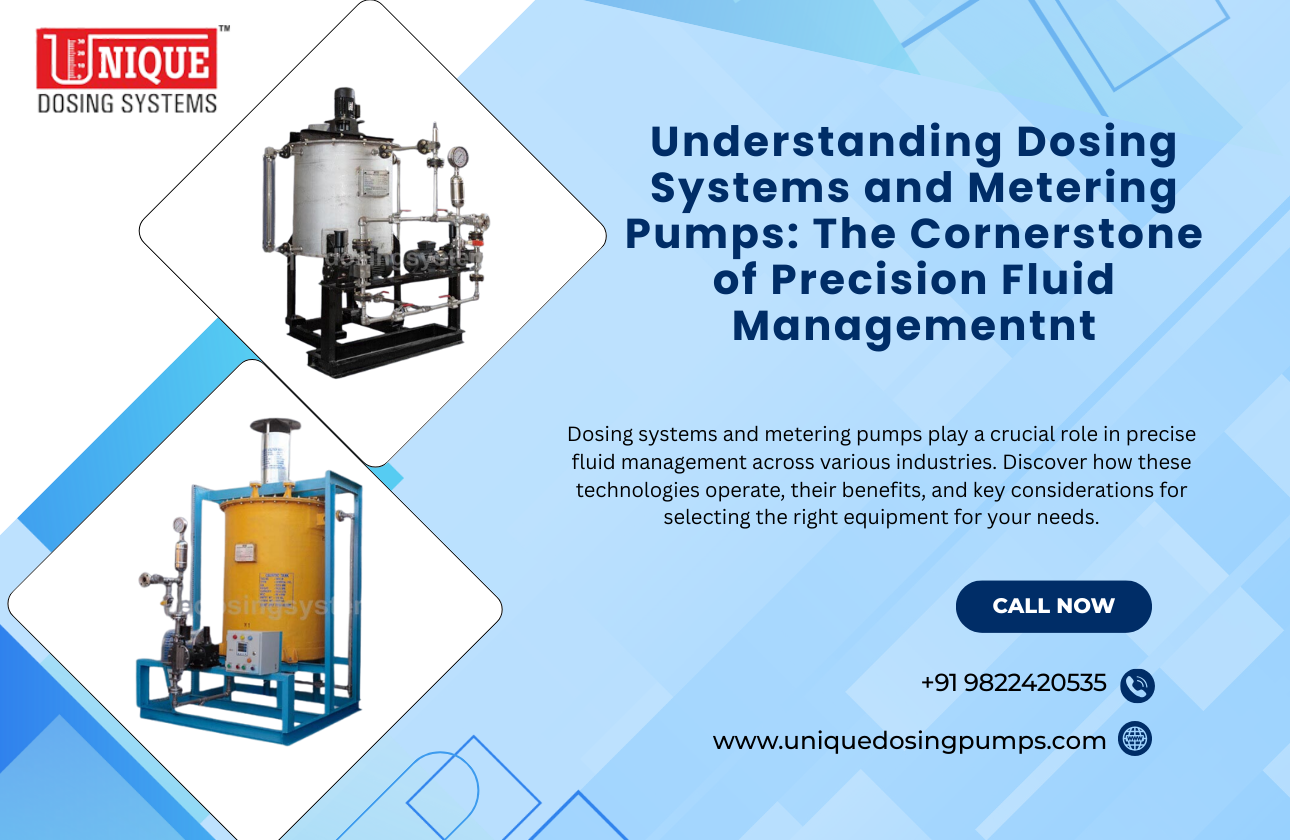
The core components of a dosing system include a pump, a control system, sensors, and connectors. The system operates by utilizing a metering pump to draw and inject precise quantities of fluid into a process stream, ensuring consistency and reducing the margin for error.
The Role of Metering Pumps
At the heart of an effective dosing system lies the metering pump. These pumps are engineered to deliver precise flow rates and volumes, making them indispensable in applications where accuracy is paramount.
Metering pumps work on the principle of positive displacement, meaning they move a set volume of fluid with each cycle, thus maintaining the exact dosage required. This capability makes them ideal for applications in water treatment facilities, industrial manufacturing, and petroleum refinement.
Benefits of Dosing Systems and Metering Pumps
The implementation of dosing systems with metering pumps offers several benefits:
- Precision: Ensures accurate measurement and consistent delivery of fluids.
- Efficiency: Enhances process efficiency, reducing waste and operational costs.
- Safety: Mitigates risk by controlling the handling and delivery of potentially hazardous substances.
- Automation: Advanced dosing systems integrate seamlessly with automated control systems, allowing for remote monitoring and adjustments.
Key Considerations When Choosing a Dosing System
Selecting the right dosing system involves understanding your process needs and constraints. Here are critical factors to consider:
- Fluid Characteristics: Consider the viscosity, temperature, and chemical properties of the fluid.
- Flow Rates: Determine the required dosage rate for your applications.
- Material Compatibility: Ensure the pump and system components are compatible with the chemical properties of the substances used.
- Control Requirements: Decide on the level of automation and control necessary for your process.
Whether you're retrofitting an existing dosing system or setting up a new process, understanding the fundamentals of dosing systems and metering pumps can lead to improved efficiency and reduced costs. By selecting and implementing the right technologies, industries can achieve their production goals with precision and reliability.
In conclusion, dosing system and metering pumps are more than just operational tools — they are vital to ensuring the seamless and efficient operation of myriad industrial processes. As industries continue to demand greater accuracy and sustainability, these technologies will remain at the forefront of innovation and progress.
Published on December 24, 2025 by Admin