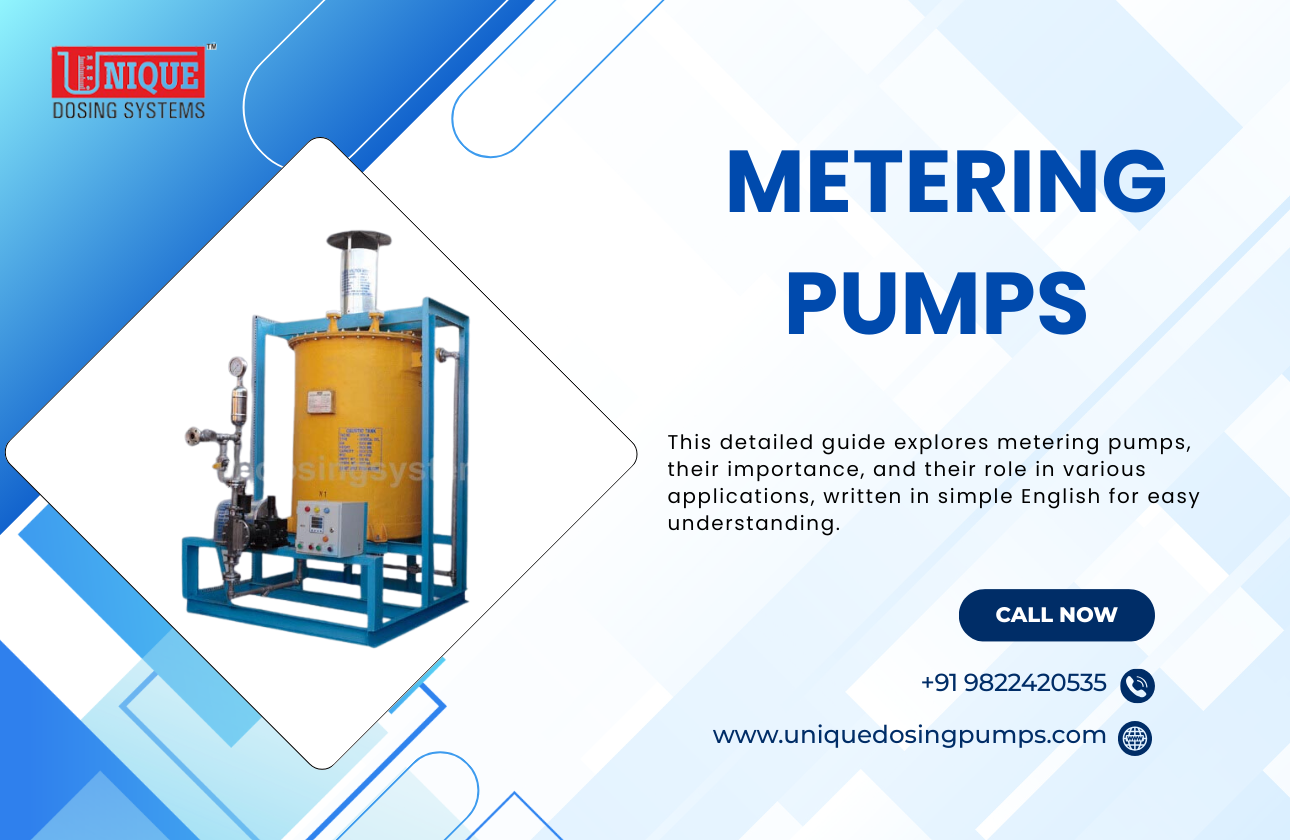
Introduction to Metering Pumps
When it comes to precise fluid handling, a metering pump is a crucial component that can significantly impact the efficiency of industrial processes. Essentially, a metering pump is designed to move a precise volume of liquid over a specified time frame to ensure consistency, accuracy, and control in both large-scale and small-scale applications.
How Metering Pumps Work
Metering pumps operate by drawing a predetermined amount of fluid into a chamber and then expelling it with precision. They often use a piston or diaphragm mechanism. This precise control over flow rate can range from very small doses to larger quantities depending on the application, making metering pumps versatile for various industries.
Types of Metering Pumps
There are several types of metering pumps, including diaphragm pumps, piston pumps, and peristaltic pumps. Each type has its unique characteristics. For example, diaphragm pumps are known for their ability to handle corrosive fluids, while piston pumps are favored for their capacity to manage high-pressure applications.
Applications of Metering Pumps
The versatility of metering pumps allows them to be used in many industries. They are pivotal in chemical processing, water treatment, and food production. They ensure that the exact amounts of chemicals are added at critical stages of a process, maintaining quality and consistency in production lines.
Benefits of Using Metering Pumps
One of the main benefits of metering pumps is their accuracy and precision, which helps in minimizing waste and enhancing product quality. They also contribute to safety by controlling the introduction of potentially hazardous substances with accuracy. Additionally, their durability and reliability make them a cost-efficient choice over time.
Choosing the Right Metering Pump
Choosing the right metering pump can be a daunting task. Factors to consider include the type of fluid, the flow rate required, and the pressure conditions it will operate under. Consulting with experts or reading resources, like this guide, can be extremely helpful in making the right choice.
Maintenance and Troubleshooting
Regular maintenance of a metering pump plays a crucial role in its long-term performance. Ensuring the cleanliness of components and periodic checks on the calibration are essential. If you encounter issues, such as inconsistent dosing, referring to maintenance manuals or seeking professional help is advisable.
Advancements in Metering Pump Technology
Technological advancements continue to improve the efficiency and functionality of metering pumps. Modern models boast of enhanced energy efficiency, digital interfaces for real-time monitoring, and improved corrosion resistance, expanding their use in even more demanding environments.
Frequently Asked Questions
1. What makes a metering pump different from a regular pump?
Answer: A metering pump provides precise control over the amount of fluid it dispenses, whereas a regular pump might not offer the same level of control and precision.
2. Can metering pumps handle all types of fluids?
Answer: While metering pumps are designed to handle a wide range of fluids, selection depends on the pump material and the chemical properties of the fluid. Special materials may be needed for corrosive or abrasive fluids.
3. How do I determine the right size of a metering pump?
Answer: The size is determined by the flow rate and pressure requirements of your application. Manufacturers usually provide sizing guides to assist with proper selection.
4. Are there digital options for metering pumps?
Answer: Yes, many modern metering pumps come with digital monitoring features that allow for remote operation and adjustments which can enhance precision and efficiency.
5. What is the typical lifespan of a metering pump?
Answer: With proper maintenance, a metering pump can last for many years. The lifespan heavily depends on the operating conditions and how well it is maintained.
Published on March 5, 2026 by Admin