
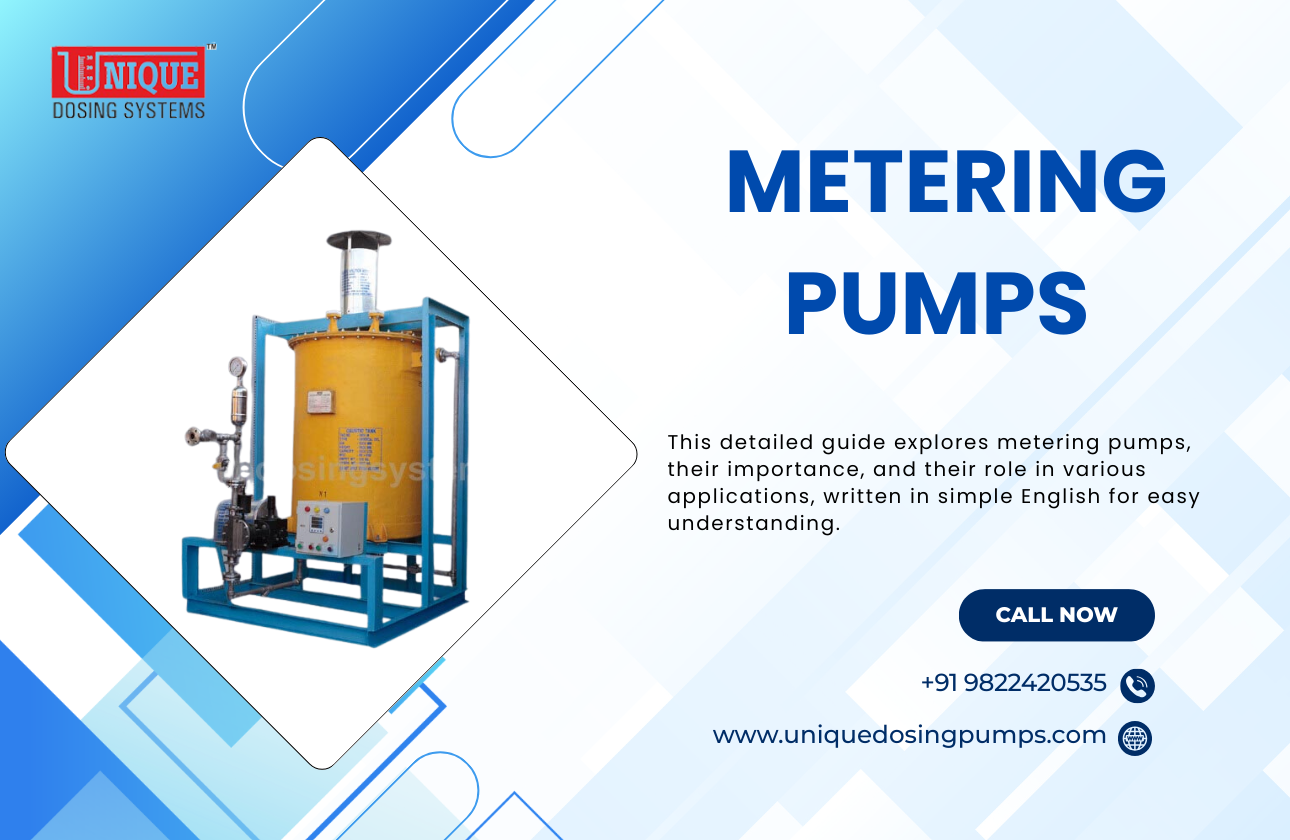
What Are Metering Pumps?
Metering pumps are devices used to move precise volumes of liquids within a given period. They are essential in scenarios where accurate dosing or injection of liquids is crucial. This includes applications in water treatment, chemical processing, and food and beverage production. Metering pumps ensure that fluids are delivered at the exact flow rate required, making them vital for efficiency and precision.
How Do Metering Pumps Work?
The operation of metering pumps is quite straightforward. They are usually driven by a motor which controls the movement of a piston or diaphragm. This mechanism creates a periodic motion, facilitating the precise amount of liquid to be drawn in and then expelled into the system. Due to their ability to handle both low and high viscous liquids, metering pumps are versatile tools in various industries.
Common Types of Metering Pumps
There are various types of metering pumps, each suited for different applications. The three primary types include diaphragm, piston, and peristaltic pumps. Diaphragm pumps are often used when a leak-free environment is essential, while piston pumps offer high pressure and accuracy. Peristaltic pumps provide gentle pumping action suitable for delicate or shear-sensitive liquids. Choosing the right type is integral to achieving optimal performance in your application.
Applications of Metering Pumps
Metering pumps are found in numerous applications across various sectors. In water treatment, they precisely dose chemicals for purification. In the food industry, they add flavors and colorings with consistent accuracy. They also play a significant role in manufacturing processes where maintaining specific chemical balances is critical. Their ability to pump precise volumes makes them indispensable for efficiency and accuracy.
Benefits of Using Metering Pumps
The benefits of employing metering pumps are numerous. They offer precise control over fluid delivery, ensuring minimal waste and optimal resource usage. Their precision also means less potential for error, enhancing safety and compliance in regulated environments. Additionally, they reduce labor costs by automating liquid dispensing processes, allowing for more focus on other critical areas of operation.
Factors to Consider When Choosing a Metering Pump
When selecting a metering pump, there are several factors to consider to ensure it meets your specific needs. These include the type of fluid, required flow rate, pressure, and the material compatibility with your fluid. You must also consider the environmental conditions such as temperature, humidity, and potential corrosive elements the pump might be exposed to. Making the right choice can prevent frequent maintenance issues and ensure long-lasting performance.
Challenges in Metering Pump Usage
Despite their many advantages, using metering pumps does come with challenges. These include potential maintenance issues due to wear and tear, fluid compatibility problems, and calibration needs to maintain accuracy. However, these challenges can be mitigated by regular maintenance, proper installation, and selecting the right type of pump for your specific application. Understanding these aspects is crucial for ensuring the optimal operation of your metering system.
Frequently Asked Questions
1. What distinguishes a metering pump from other pumps?
Answer: A metering pump stands out for its precision in dispensing exact amounts of fluids at specified flow rates. Other pumps may not offer the same level of dosing accuracy, which is crucial in many industrial applications.
2. Can metering pumps handle all types of liquids?
Answer: While metering pumps can handle a wide range of liquids, from thin to viscous, the specific type of metering pump should match the fluid's properties to maintain performance and prevent damage.
3. How do I maintain the accuracy of a metering pump?
Answer: Regular calibration and maintenance are important for maintaining a metering pump's accuracy. Checking for wear, keeping the pump clean, and replacing parts as needed can enhance its longevity and precision.
4. Are metering pumps energy efficient?
Answer: Yes, metering pumps are generally energy efficient. They are designed to perform with reduced energy consumption while providing high precision and reliability, which is economically beneficial over time.
5. How do environmental factors affect metering pumps?
Answer: Environmental factors like temperature, humidity, and exposure to corrosive materials can affect the performance and durability of metering pumps. Selecting pumps with suitable materials and protective measures can mitigate these impacts.