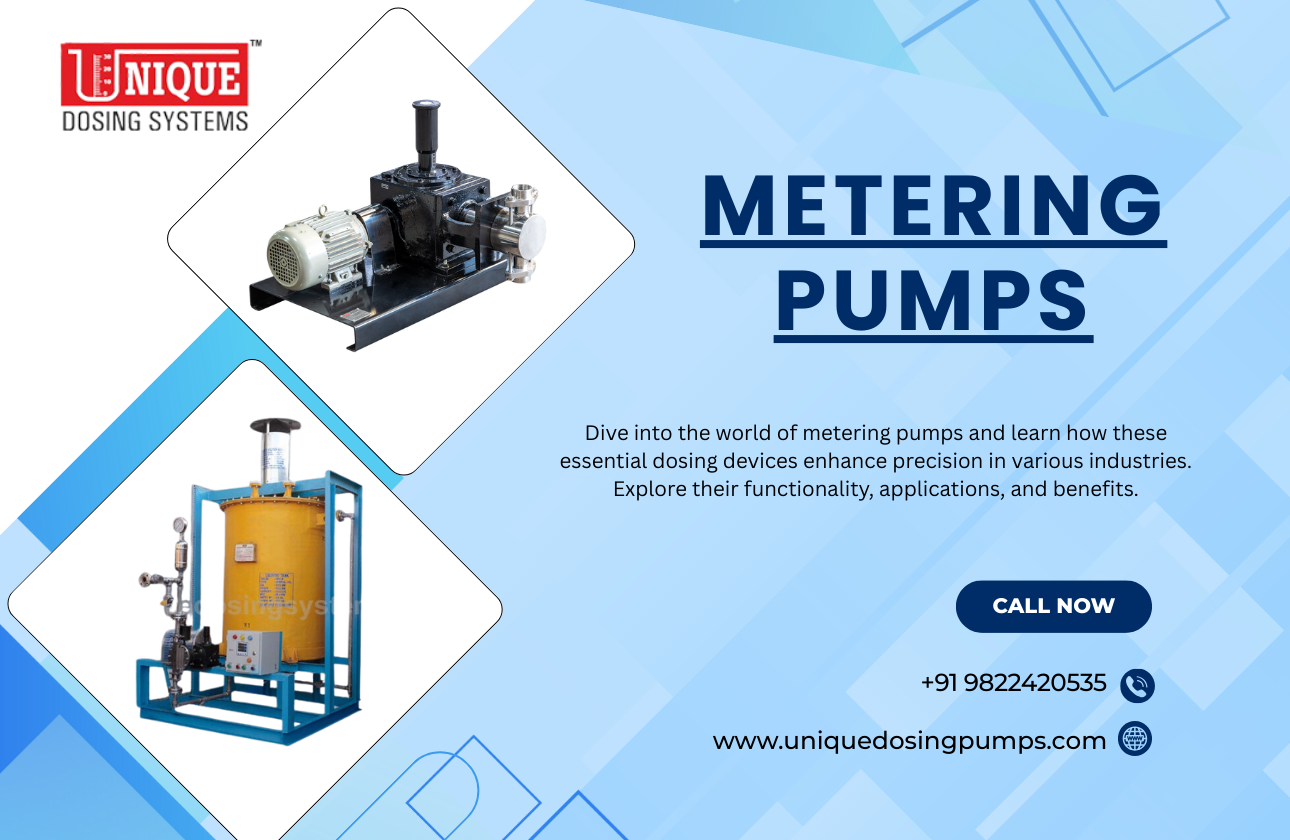
Understanding Metering Pumps: The Essential Guide to Dosing Solutions
In industries where precision in fluid handling is crucial, metering pumps stand out as indispensable tools. These devices, also known as dosing pump, play a pivotal role in delivering accurate volumes of liquids, making them vital across sectors such as water treatment, chemical processing, and pharmaceuticals.
What is a Metering Pump?
A metering pump is a specialized pump designed to deliver a precise volume of liquid. Unlike standard dosing pump, these devices are capable of adjusting the flow rate with high precision, allowing for exact dosing of chemicals or other fluids. They are engineered to handle a wide range of fluids, from thin solvents to viscous acids and bases.
How Metering Pumps Work
The principle of operation behind metering pumps is relatively straightforward. Typically, they function based on positive displacement, where a mechanism, often piston or diaphragm-based, moves back and forth to displace a specified volume of liquid. The rate of this displacement controls the accuracy of fluid delivery, enabling applications demanding high precision.
Types of Metering Pumps
- Diaphragm Metering Pumps: These are the most popular types due to their reliability and ability to handle corrosive chemicals. Diaphragm pumps use a flexible membrane to move fluids, offering durability and resistance to chemicals.
- Piston Metering Pumps: Known for their robustness, piston metering pumps are suitable for high pressure applications and can handle high viscosity fluids effectively.
Key Applications of Metering Pumps
The versatility of metering pumps makes them suitable for a variety of industries and applications, including:
- Water and Wastewater Treatment: Metering pumps are essential for dosing disinfectants and coagulants to ensure safe water supply and proper wastewater treatment.
- Chemical Processing: They facilitate the accurate blending and mixing of chemicals in industrial processes, enhancing productivity and ensuring safety.
- Pharmaceutical Manufacturing: Precise dosing is critical in pharmaceuticals, where even slight deviations can affect drug efficacy.
Benefits of Using Metering Pumps
The deployment of metering pumps presents numerous advantages:
- Accuracy: High precision in dosing reduces waste and ensures consistent product quality.
- Control: They offer extensive control over flow rates and volumes, adaptable to varying process demands.
- Versatility: Capable of handling a wide range of fluid types and viscosities, metering pumps are adaptable to numerous industries.
Choosing the Right Metering Pump
When selecting a metering pump, it's essential to consider factors such as the type of liquid, required flow rate, and pressure requirements. Understanding these parameters will help in choosing a pump that aligns with the specific needs of your application.
Conclusion
Metering pump, or dosing pumps, are integral components in precision fluid handling across multiple industries. Their ability to deliver accurate and controlled dosing solutions makes them a valuable asset in processes requiring meticulous fluid management. As technology advances, metering pumps continue to evolve, offering even more efficiency and reliability in their applications.
Whether you're engaged in water treatment, chemical processing, or pharmaceutical production, understanding the capabilities and advantages of metering pumps is critical to optimizing your operations and achieving superior results.
Published on December 23, 2025 by Admin