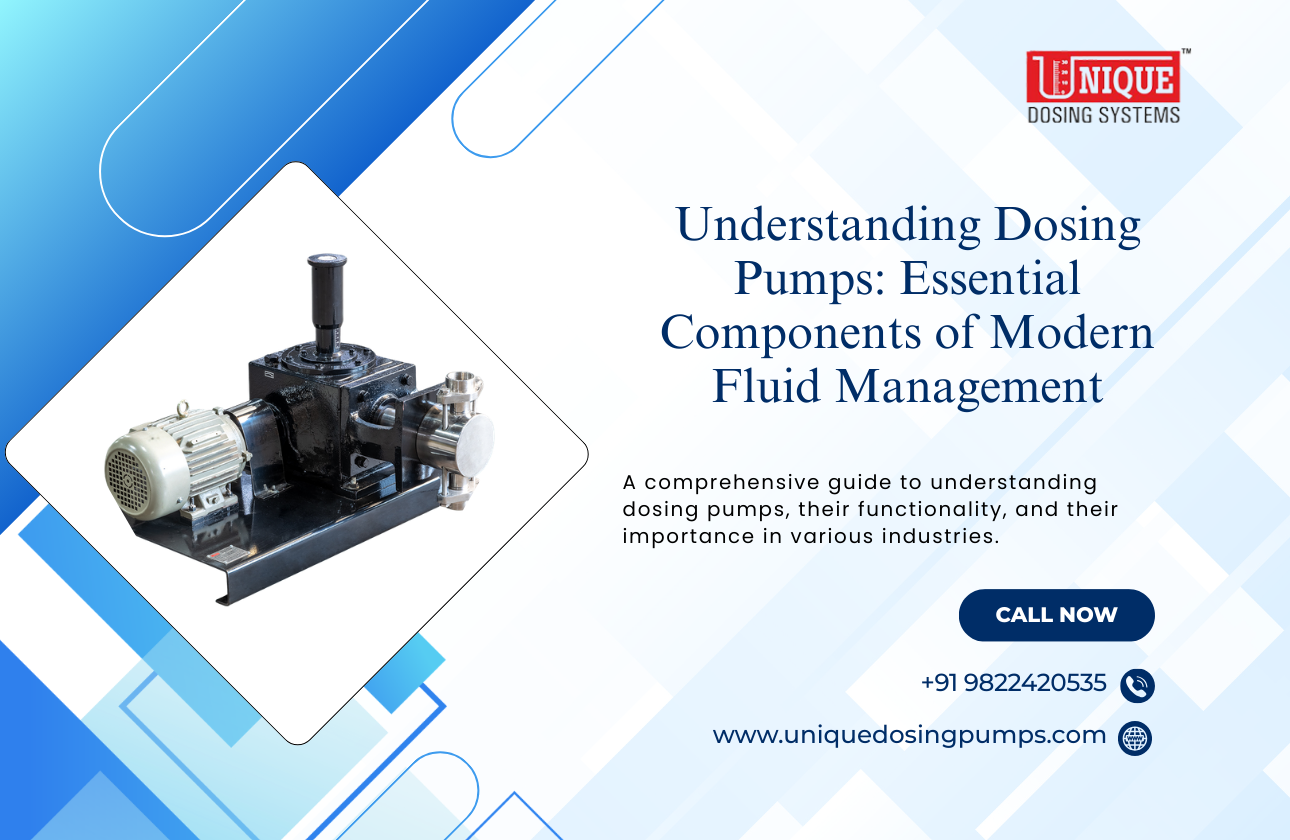
What are Dosing Pumps?
Dosing pumps are specially designed machines used to inject a precise amount of liquid into a process. These pumps are critical in various fields, from water treatment to food processing. The core functionality of dosing pumps is to deliver the exact amount of chemicals or solutions at a consistent flow rate. This ensures that the process into which the liquid is being introduced operates efficiently and produces the desired results without wastage or errors.
Different Types of Dosing Pumps
There are several types of dosing pumps, each suited for different applications. For example, diaphragm pumps are often used in environments where fumes and corrosives are present due to their sealed nature. Peristaltic pumps are preferred when the liquid being handled is viscous or abrasive because they don't allow the fluid to come into contact with moving parts. Each type of dosing pump has its own advantages, making it crucial to select the right pump based on the specific needs of the operation it will serve.
How Dosing Pumps are Used in Industries
Dosing pumps play an essential role in various industries. In the water treatment industry, these pumps introduce chemicals like chlorine and other cleansing agents into water to make it safe for consumption. In agriculture, dosing pumps are employed to accurately deliver fertilizers and nutrients to crops. Even in the food and beverage industry, dosing pumps are crucial for dispensing precise quantities of ingredients during production. By maintaining the precise delivery of liquids, these pumps help industries improve efficiency and accuracy in their processes.
Benefits of Using Dosing Pumps
The primary benefit of using dosing pumps is their accuracy. They deliver exact quantities, which is crucial for processes where precision is paramount. This not only increases the production quality but also helps in the efficient use of resources, reducing waste and costs. Dosing pumps are also known for their reliability and are often built to withstand harsh environmental conditions, which is a must in many industrial settings. Their ability to operate automatically and continuously delivers significant advantages in terms of labor savings and operational efficiency.
Choosing the Right Dosing Pump
When selecting a dosing pump, several factors should be taken into account. These include the type of liquid to be dosed, its chemical properties, the required flow rate, and the environment in which the pump will be used. It's essential to choose a pump that matches these criteria to ensure optimal performance. Consulting experts or using resources like guides can help in making the right choice. The right pump will not only meet the needs of the application but also offer longevity and cost-effectiveness.
Frequently Asked Questions
1. What is the primary purpose of dosing pumps?
Answer: The primary purpose of dosing pumps is to inject precise amounts of liquids into processing systems efficiently. They are used to ensure consistency and accuracy in various applications, from chemical dosing in water treatment to ingredient dispersion in food manufacturing.
2. Can dosing pumps handle corrosive chemicals?
Answer: Yes, certain types of dosing pumps are designed to handle corrosive substances. For example, diaphragm pumps are commonly used in environments where corrosive chemicals are present, as their design prevents the liquid from coming into direct contact with moving parts.
3. How do I select the right dosing pump for my needs?
Answer: Selecting the right dosing pump involves considering the type of liquid to be pumped, the required flow rate, and the environmental conditions. It’s advisable to consult industry experts or detailed guides to make an informed decision.
4. Are dosing pumps expensive to maintain?
Answer: Dosing pumps are generally reliable and require minimal maintenance if chosen and installed correctly. Their robust design allows them to function efficiently over long periods, reducing the need for frequent repairs or replacements.
5. What industries benefit the most from dosing pumps?
Answer: Several industries benefit from dosing pumps, including water treatment, agriculture, oil and gas, and food and beverage. These pumps help ensure precise fluid management, critical to maintaining high-quality standards and process efficiency.
Published on March 8, 2026 by Admin