What are Dosing Systems?
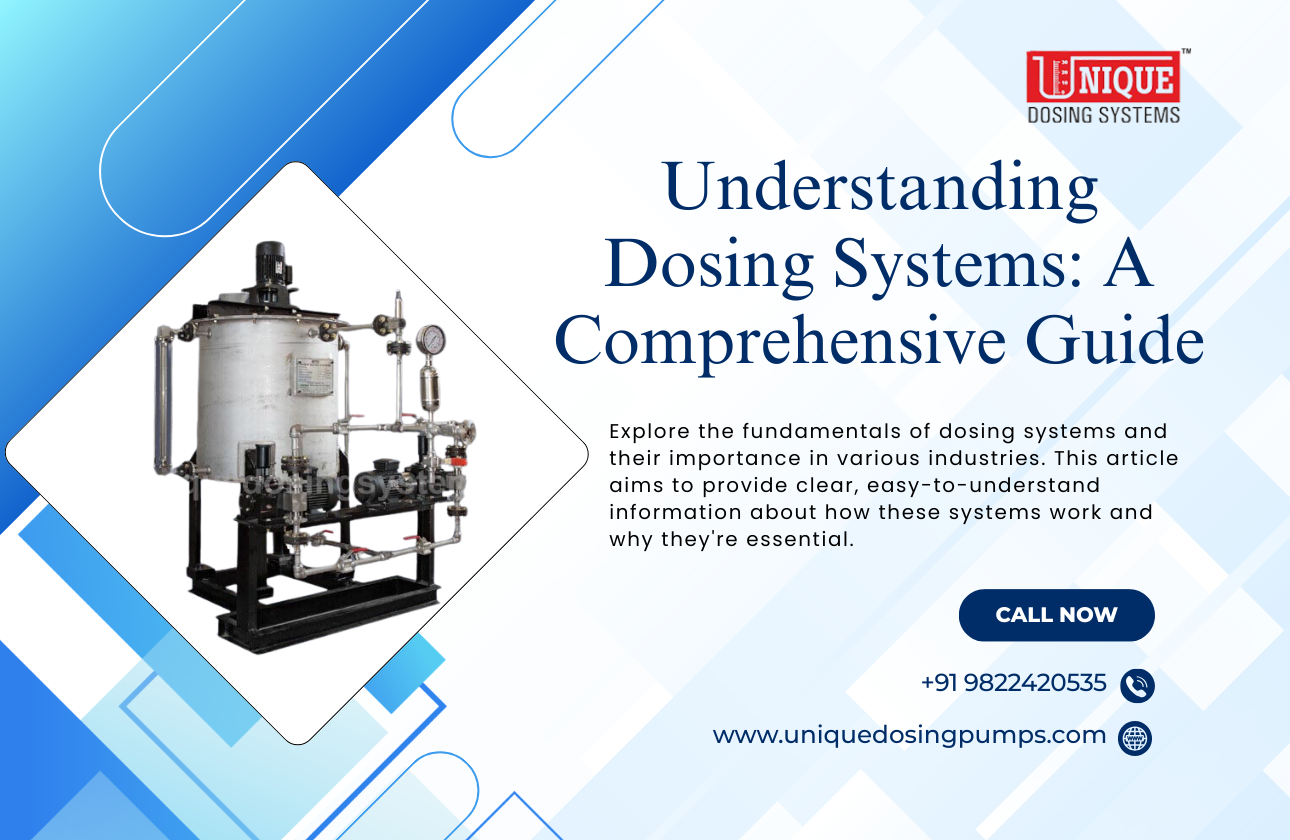
Dosing systems are devices designed to control and measure the volume of a chemical or substance that is released into another substance. These systems play a crucial role in industries such as pharmaceuticals, food and beverage, and water treatment. By delivering precise amounts of chemicals, they help ensure the final product's quality and safety. For instance, in a water treatment plant, a dosing system could be used to add the exact amount of chlorine needed to kill bacteria without harming the environment.
Components of Dosing Systems
Dosing systems typically consist of several key components. These include a pump, a controller, a tank or reservoir, and various sensors. The pump does the actual work of moving the chemicals. The controller manages the operation, ensuring that the right amount is dispensed at the right time. The tank stores the liquid until it is needed, and sensors monitor the process to maintain accuracy. Together, these components ensure effective and efficient dosing.
Types of Dosing Pumps
The pump is a critical part of the dosing system and comes in many types. Common types include diaphragm pumps, peristaltic pumps, and piston pumps. Diaphragm pumps use a flexible membrane to move liquids, which is great for handling a wide range of chemicals. Peristaltic pumps are ideal for moving thick or viscous substances. Each type has its own advantages and uses depending on the specific needs of the industry.
Applications of Dosing Systems
Dosing systems find use across various industries. In agriculture, they ensure that fertilizers are accurately applied, reducing waste and cost. In the pharmaceutical industry, they help produce medications by ensuring each batch contains the right dosages of active ingredients. In water treatment, they are vital for adding disinfectants that keep our water clean and safe. Each application demonstrates how dosing systems contribute to efficiency and safety.
Benefits of Using Dosing Systems
There are numerous benefits to using dosing systems. They increase precision, which reduces waste and ensures quality control. By automating the chemical addition process, they save time and reduce the need for manual labor. Additionally, they can help companies comply with health and safety regulations by ensuring the right amount of chemicals are used.
Innovations in Dosing Systems
Recent innovations in dosing systems have made them more efficient and easier to use. Advanced technologies such as digital controllers and smart sensors have improved precision. These technologies allow for more accurate dosing, reducing errors. Additionally, software innovations let operators monitor and adjust dosing remotely. This means that industries can maintain optimal operation with minimal downtime.
Maintenance of Dosing Systems
Regular maintenance is essential to keep dosing systems functioning properly. This includes checking and calibrating sensors, inspecting pumps for wear and tear, and ensuring that the system's software is up to date. Proper maintenance not only extends the life of the equipment but also ensures that it operates efficiently and safely. This proactive approach can prevent costly repairs or replacements.
Frequently Asked Questions
1. What industries commonly use dosing systems?
Answer: Dosing systems are commonly used in industries like water treatment, pharmaceuticals, food and beverage, agriculture, and chemical processing.
2. How do dosing systems ensure accuracy?
Answer: Dosing systems use pumps, controllers, and sensors to monitor and adjust the flow of chemicals, ensuring precise measurement and delivery.
3. What is the importance of maintenance for dosing systems?
Answer: Regular maintenance checks on pumps and sensors, as well as software updates, ensure that dosing systems function efficiently and safely with minimal downtime.
4. Can dosing systems integrate with digital technologies?
Answer: Yes, modern dosing systems often integrate with digital controllers and smart sensors for enhanced accuracy and remote monitoring capabilities.
5. What are the benefits of using dosing systems in water treatment?
Answer: In water treatment, dosing systems accurately add disinfectants to kill bacteria, ensuring clean water while avoiding environmental harm.
Published on March 5, 2026 by Admin