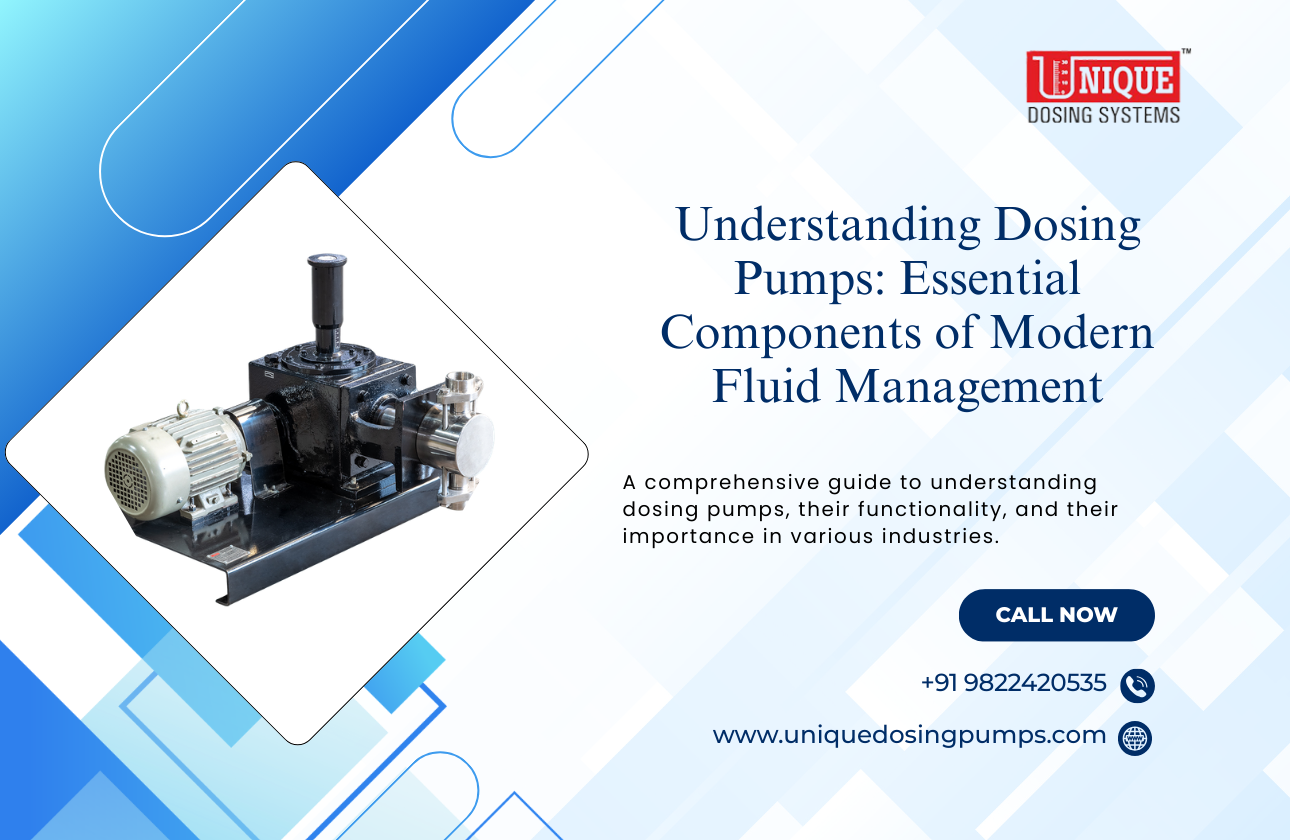
Introduction to Dosing Pumps
Let's dive into the world of dosing pumps. These devices are all about precision. They accurately control the flow of fluid chemicals, which is vital for many industries. Whether it's water treatment or food processing, dosing pumps play a critical role. Their ability to provide consistent results makes them invaluable. By understanding their function, businesses can enhance efficiency and maintain high standards of production.
How Dosing Pumps Work
Dosing pumps operate by moving a predetermined volume of liquid in specific intervals. This ensures that the correct amount of chemical is delivered each time. They often use a diaphragm or a piston mechanism for fluid movement. Their design allows precise control over the flow rate. Industries depend on this mechanism to achieve accurate blending and processing. The reliability of dosing pumps in delivering the exact chemical amount needed makes them essential in operations where precision is crucial.
Applications of Dosing Pumps
The versatility of dosing pumps makes them suitable for several applications. In the water treatment industry, they are used to disinfect and adjust pH levels. The food and beverage industry uses dosing pumps to ensure the right amount of additives is present in products. They are also significant in pharmaceuticals, where precision is non-negotiable. By delivering accurate chemical doses, dosing pumps help maintain safety and quality standards across various sectors.
Types of Dosing Pumps
Various types of dosing pumps cater to different needs. The two main types are diaphragm and piston dosing pumps. Diaphragm pumps are popular because they require minimal maintenance. They ensure leak-free operation, which is trustable for handling hazardous chemicals. Piston dosing pumps, on the other hand, deliver high precision under constant pressure conditions. Each type has distinct features that make them suitable for specific industry requirements.
Benefits of Using Dosing Pumps
The benefits of dosing pumps are numerous. They reduce waste by allowing precise chemical usage, thus cutting operational costs. Dosing pumps are also easy to maintain and have a longer lifespan, making them cost-effective. They offer flexibility in handling various types of fluids, including those with varying viscosities. These advantages demonstrate the value dosing pumps bring to streamline processes in any operation where fluid control is critical.
Maintaining Dosing Pumps
Maintenance is key to the longevity and efficiency of dosing pumps. Regular checks ensure they operate smoothly. It's important to inspect for wear and tear, especially on parts that come into contact with chemicals. Scheduled maintenance prevents unexpected breakdowns and extends the life of the pump. Proper care also ensures the dosing pump continues to deliver chemicals accurately, maintaining the integrity of processes that rely on them.
Choosing the Right Dosing Pump
Selecting the right dosing pump involves considering several factors. The type of fluid, viscosity, and required flow rate are vital aspects. Additionally, the pump’s compatibility with specific chemicals must be checked to prevent corrosion or damage. By matching the right pump to your process requirements, you optimize performance and maintain operational efficiency. For choosing the right pump, check out our guide on key considerations for optimal performance.
Frequently Asked Questions
1. What is a dosing pump used for?
Answer: A dosing pump is used for accurately dispensing a specific volume of liquid. It is crucial in industries like water treatment, food production, and pharmaceuticals for precision chemical application.
2. How does a diaphragm dosing pump work?
Answer: A diaphragm dosing pump uses a flexible diaphragm that moves back and forth. This movement draws in and expels the fluid in precise volumes, ensuring accurate chemical dosing.
3. Can dosing pumps handle viscous fluids?
Answer: Yes, dosing pumps can handle viscous fluids. However, selecting the right type like a piston dosing pump is crucial, as it can work efficiently with thicker fluids.
4. How often should you maintain a dosing pump?
Answer: Regular maintenance depends on usage conditions but generally, pumps should be checked and serviced at least once every few months. This ensures they remain in optimal condition.
5. What factors should be considered when choosing a dosing pump?
Answer: Key factors include the fluid type, chemical compatibility, flow rate, and pump material. These determine the pump's suitability for specific operations and ensure its longevity.
Published on March 9, 2026 by Admin