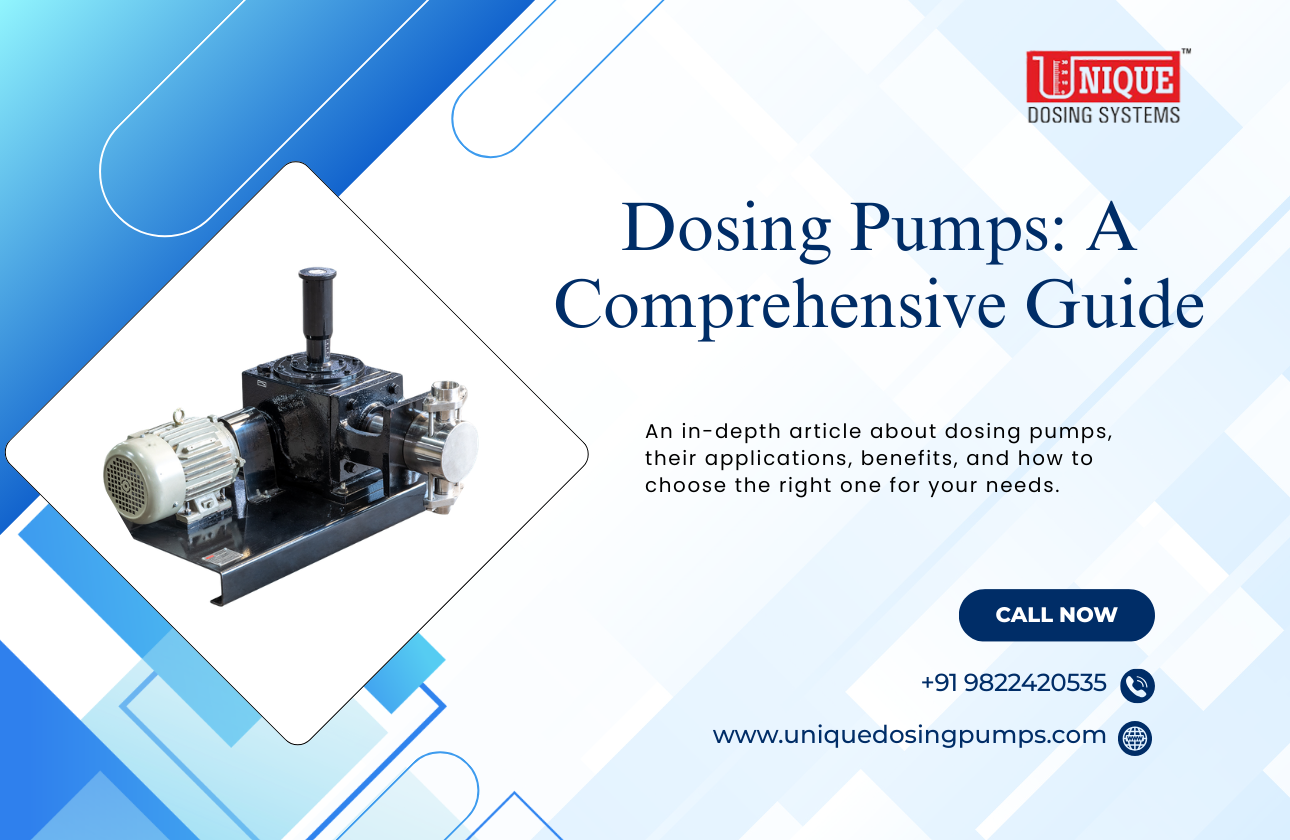
Introduction to Dosing Pumps
Dosing pumps are essential tools used in many industries to dispense precise amounts of liquid or chemical solutions. These devices help maintain accuracy, ensuring that the right amount of substance is delivered at the right time. Whether it's within a factory, a laboratory, or a water treatment facility, dosing pumps ensure that operations run smoothly and efficiently. The reliability and precision of these pumps can greatly improve productivity and safety in the workplace.
How Dosing Pumps Work
The operation of dosing pumps involves a straightforward mechanism. A motor controls the pump, which moves a diaphragm or piston to draw in and expel the liquid. Adjustments can be made to control the volume and rate of the flow, allowing for accurate dosing. This mechanism ensures that the pumps can handle a variety of liquids, including corrosive or viscous substances, with high precision, meeting the specific needs of different applications.
Applications of Dosing Pumps
Dosing pumps have a broad range of applications. In the water treatment industry, they are used to add chlorine or anti-scaling agents. In chemical processing, dosing pumps help in injecting acids or bases. Additionally, the pumps are critical in food production for adding coloring or flavoring agents. The consistency and accuracy of dosing pumps make them indispensable in processes where precise fluid handling is required, improving both product quality and safety standards.
Types of Dosing Pumps
There are various types of dosing pumps, each suited for different purposes. The most common types include diaphragm, peristaltic, and piston pumps. Diaphragm pumps are popular for their robust design and versatility. Peristaltic pumps are ideal for handling corrosive or sensitive fluids. Piston pumps are used where high-pressure delivery is required. Understanding the differences between these types helps industries choose the right pump for their specific application, ensuring efficiency and effectiveness.
Benefits of Using Dosing Pumps
Using dosing pumps offers several benefits such as precision, safety, and efficiency. They significantly reduce the risk of human error by automating the dosing process. Additionally, they protect workers from exposure to hazardous chemicals. With their ability to handle a variety of fluids and levels of viscosity, dosing pumps can enhance productivity by ensuring a consistent and accurate delivery of substances, making them a valuable asset in any process involving liquids.
Choosing the Right Dosing Pump
When selecting a dosing pump, several factors come into play. It's important to consider the type of fluid, the required flow rate, and the working environment. Compatibility with the chemical being handled is crucial to prevent damage to the pump. Reviewing manufacturer considerations is also key to making an informed choice. By carefully evaluating these aspects, you can ensure the selected pump meets all operational needs and optimizes performance.
Installation and Maintenance
Proper installation and regular maintenance are vital for the optimal performance of dosing pumps. Installation should follow the manufacturer's specifications to prevent malfunctions. Regular checks and cleaning are necessary to maintain the efficiency and longevity of the pump. Timely maintenance not only prevents unexpected breakdowns but also extends the life of the equipment, ensuring a lasting and reliable solution for fluid management needs.
Frequently Asked Questions
1. What industries use dosing pumps most frequently?
Answer: Dosing pumps are widely used across several industries including water treatment, chemical processing, food and beverage, pharmaceuticals, and agriculture. Each industry utilizes these pumps for their ability to handle specific dosing requirements with precision.
2. How do I determine the right type of dosing pump for my needs?
Answer: To choose the right dosing pump, consider factors such as the type and viscosity of the fluid, required flow rate, and environmental conditions. Consulting with experts or referring to guides like the essential guide to dosing systems can provide valuable insights.
3. Can dosing pumps handle corrosive chemicals?
Answer: Yes, many dosing pumps are designed to handle corrosive chemicals. Choosing the right material for the pump, such as stainless steel or resistant plastics, is crucial to ensure compatibility with corrosive substances.
4. Is it difficult to maintain a dosing pump?
Answer: Maintaining a dosing pump is generally straightforward. Regular inspection and cleaning are essential to keep the pump in good working order. Following the manufacturer's maintenance guidelines will help prolong the pump's life and maintain performance efficiency.
5. Are dosing pumps environmentally friendly?
Answer: Dosing pumps help minimize waste by delivering precise amounts of chemicals, which helps reduce excess use and environmental impact. By ensuring that only the necessary amount of chemical is used, they contribute to more sustainable and environmentally friendly operations.
Published on March 5, 2026 by Admin