What Are Dosing Systems?
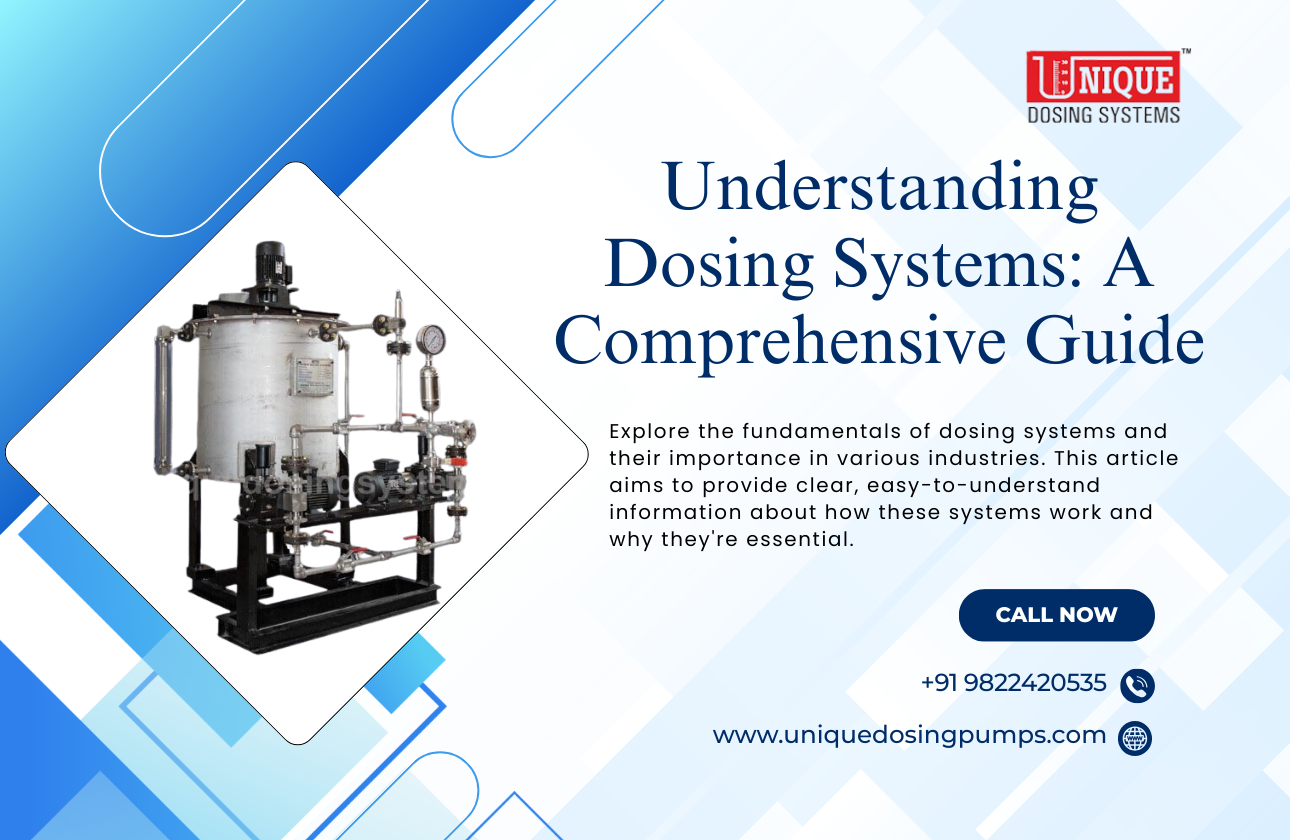
Dosing systems are tools used to deliver a specific amount of a substance quickly and precisely. These systems help in various industries by allowing precise control over the amount of material or chemical being distributed. They are often employed in settings such as water treatment facilities, food processing plants, and chemical industries. By using dosing systems, companies can ensure the right amount of a chemical or substance is used every time, avoiding wastage and improving efficiency.
Components of Dosing Systems
A complete dosing system typically includes a pump, storage tank, control system, and safety mechanisms. The pump moves the substance from the tank to the desired location. The control system ensures that the right amount is delivered each time. Safety mechanisms are critical to prevent overuse or leakage, which could lead to safety hazards or product malfunction. Each component plays a vital role in ensuring that the system works efficiently and safely, reducing the risk of error and enhancing precision.
Types of Dosing Systems
There are several types of dosing systems, each designed for varying needs. For example, volumetric dosing systems deliver a consistent volume of a substance, regardless of density, which is critical for specific applications requiring precision. Gravimetric dosing systems, on the other hand, use weight to ensure an accurate dose. There's also a proportional dosing system, which adjusts delivery based on the flow or pressure of another substance. Understanding the different types enables companies to select the system best suited for their specific application.
Why Use Dosing Systems?
The use of dosing systems is essential for maintaining product quality and consistency. The accuracy they provide prevents under or overdosing, which could lead to substandard product outcomes. This precision is crucial in sectors like food production, pharmaceuticals, and chemical manufacturing, where consistent dosing can impact the overall quality and safety of the final product. By deploying dosing systems, organizations can enhance production efficiency, ensure compliance with industry standards, and reduce material wastage.
Applications Across Industries
Dosing systems have a wide range of applications. In the food industry, these systems ensure that flavors, preservatives, and coloring agents are added in the precise quantities needed. Water treatment plants use dosing systems to add chemicals that purify and stabilize the water supply. In pharmaceuticals, they are integral for mixing precise chemical compounds to create consistent and safe medications. In each case, the dosing systems help maintain high standards of production and consumer safety.
Challenges and Considerations
While dosing systems are incredibly beneficial, they come with challenges. Maintenance is significant, as these systems must function perfectly to ensure accuracy. Ensuring the compatibility of the system components with the substances used is vital to prevent corrosion or damage. Additionally, investing in a reliable dosing system can be costly initially, although the long-term benefits often justify the expense. Therefore, understanding the specific requirements and potential hurdles before implementation is crucial for maximizing the return on investment.
Future of Dosing Systems
The future looks bright for dosing systems, with innovations aiming to improve their efficiency and ease of use. Automation plays a big role, allowing these systems to be integrated seamlessly into production lines. With the increasing need for precision and efficiency, industries will continue to depend on dosing systems for improving production while reducing waste. The evolution of these systems is likely to follow the broader trends in technology and industrial processes, focusing on smart solutions that enhance operational capabilities.
Frequently Asked Questions
1. What industries commonly use dosing systems?
Answer: Dosing systems are commonly used in industries such as water treatment, food and beverage processing, pharmaceuticals, and chemical manufacturing. They provide precision and consistency in the application of materials.
2. How do dosing systems improve efficiency?
Answer: By precisely delivering the exact amount of material, dosing systems reduce waste, ensure consistency, and maintain quality, which in turn improves overall operational efficiency.
3. What are the main components of a dosing system?
Answer: The main components include the dosing pump, storage tank, control system, and safety mechanisms, each playing a vital role in ensuring the system's accuracy and efficiency.
4. Are there different types of dosing systems?
Answer: Yes, dosing systems can be volumetric, gravimetric, or proportional, each designed for different applications based on the required precision and the nature of the substance being dosed.
5. What are the challenges of implementing dosing systems?
Answer: Challenges include maintaining the systems to prevent faults, ensuring component compatibility with the substances, and managing the initial investment costs.
Published on March 4, 2026 by Admin