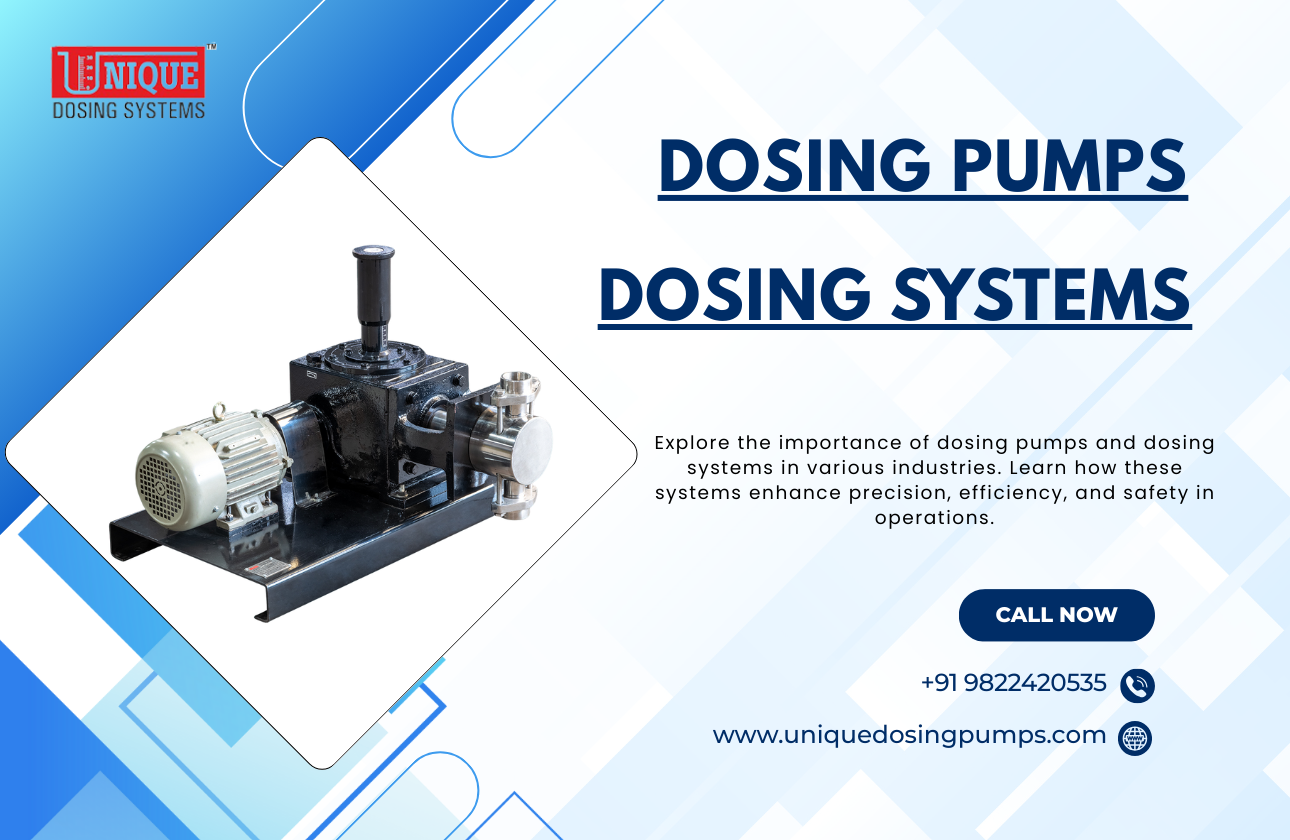
Understanding Dosing Pumps and Dosing Systems: Essential Tools for Precision and Efficiency
In today's fast-paced industrial world, precision and efficiency are paramount. Among the tools that significantly contribute to achieving these goals are dosing pumps and dosing systems. These crucial components ensure accurate measurement and dispensing of fluids, which is essential in several industries such as water treatment, pharmaceuticals, and food processing.
What are Dosing Pumps?
Dosing pumps are designed to move a precise volume of liquid over a specified time frame. They are engineered to handle chemicals, liquids, or other materials under controlled conditions. Typically, these pumps feature straightforward configurations, including a pump head, drive, and control system, making them indispensable in processes that require high precision.
Types of Dosing Pumps
The most common types of dosing pumps include:
- Diaphragm Dosing Pumps: Known for their accuracy and wide chemical compatibility. These pumps are effective in moving corrosive chemicals and other difficult liquids.
- Peristaltic Pumps: They offer simplicity in design and maintenance, making them ideal for low-pressure applications.
- Piston Dosing Pumps: Widely used for high-pressure applications and can handle high-viscosity fluids.
The Role of Dosing Systems
Dosing systems integrate multiple dosing pumps with control elements to manage complex operations. These systems often incorporate sensors, controllers, and computing elements to ensure that the right quantity of an agent is introduced into a process at the correct time.
Advantages of Using Dosing Systems
The implementation of dosing systems provides several advantages, including:
- Precision: Ensures that the precise amount of product is delivered consistently, reducing waste and enhancing product quality.
- Efficiency: Automated controls in dosing systems streamline operations and minimize human intervention.
- Safety: Reduces the risk of chemical exposure and handling errors, safeguarding both operators and equipment.
Applications of Dosing Systems
Dosing system are employed in a wide range of sectors, including:
- Water Treatment: Used to introduce chlorine, antifoulants, or other chemicals into water treatment plants.
- Pharmaceuticals: Ensures the precise formulation of drugs and supplements.
- Food and Beverage: Used for accurately adding flavors, preservatives, and other additives.
Conclusion
Dosing pumps and dosing system are pivotal in modern industrial applications where accuracy, efficiency, and safety are crucial. As industries continue to evolve, the demand for more sophisticated and reliable dosing solutions will undoubtedly grow, reinforcing the importance of investing in high-quality systems. By understanding and implementing these technologies, businesses can achieve improved operational outcomes and maintain a competitive edge.
Published on December 21, 2025 by Admin