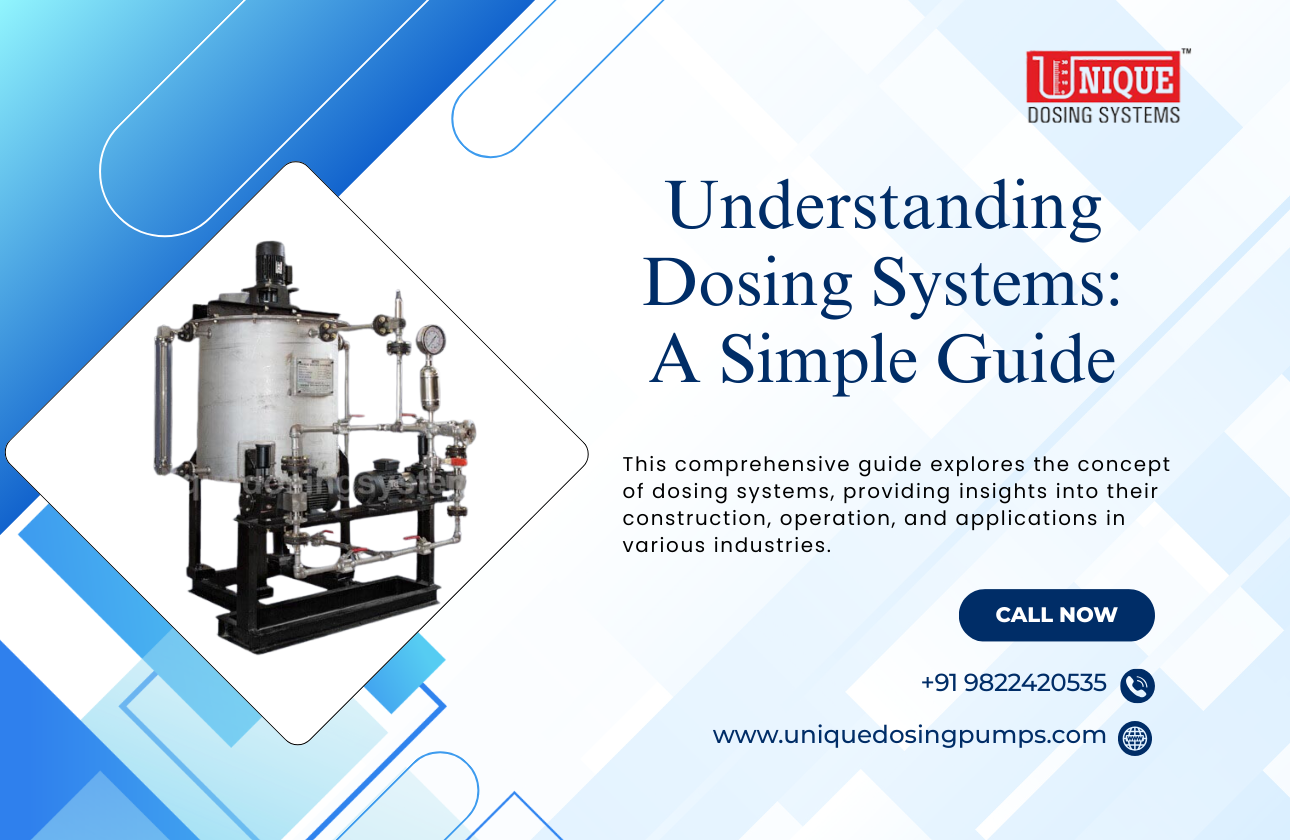
Introduction to Dosing Systems
Dosing systems play a vital role in various industries by precisely controlling the measurement and delivery of liquids. Whether it's for chemical, pharmaceutical, or food industries, these systems ensure that fluids are dispensed accurately, maintaining both safety and efficiency in processes. Essentially, a dosing system is designed to pump a specific amount of a liquid into a given process line. This helps in minimizing waste and maximizing productivity, making these systems invaluable in a production environment. Learn more about dosing systems to better understand how they can revolutionize your business operations.
How Dosing Systems Work
Dosing systems are straightforward in their operation, yet they pack a punch when it comes to accuracy. They consist of pumps, control units, and various sensors that work together to regulate the amount of fluid being introduced into another medium. The control unit plays a crucial role as it calibrates the pump settings based on the requirements of the application. The sensors monitor various factors such as pressure, flow rate, and temperature, ensuring the system operates within safe and optimal parameters. By doing so, dosing systems not only boost efficiency but also offer a level of precision that manual dosing methods simply can't match.
Applications of Dosing Systems
Dosing systems find applications across a broad spectrum of industries. In the chemical industry, they are used for water treatment, pH control, and chemical purification processes. The food and beverage industry utilizes them for ingredient mixing and flavor enhancement. Pharmaceutical companies rely on these systems for accurate drug ingredient mixing, ensuring consistent and safe products. Each use case requires a different set-up but the core principle remains the same: delivering exactly the right amount of fluid at the right time. This flexibility makes dosing systems a top choice for industries needing precision fluid management.
Types of Dosing Systems
There are several types of dosing systems available, each designed to meet specific industrial needs. Diaphragm dosing pumps are widely used due to their capability to handle various types of chemicals. Peristaltic dosing systems are praised for their accuracy and minimal maintenance requirements. Metering pumps are another popular choice, especially in industries that require precise chemical mixing. Each of these systems has its own merits and demerits, but they all share the same goal—to provide precise chemical dosing with minimal waste.
Choosing the Right Dosing System
Picking the right dosing system requires a solid understanding of your specific needs. Factors such as flow rate, chemical compatibility, and operational environment impact this decision. It's also important to consider the maintenance requirements and ease of installation. The right dosing system should not only meet your current production demands but should be scalable to accommodate future growth. Consulting with industry experts and utilizing available resources from manufacturers can help streamline this selection process.
Benefits of Dosing Systems
The benefits of implementing a dosing system are multifold. They enhance process efficiency by ensuring precise chemical use, leading to cost savings and reduced waste. Automated systems reduce the need for manual intervention, decreasing the probability of human error. Furthermore, the increased safety profile of dosing systems, due to minimized direct chemical handling, is especially crucial in industries dealing with hazardous substances. All of these advantages make investing in a dosing system a smart choice for companies aiming to optimize their processes.
Frequently Asked Questions
1. What is a dosing system used for?
Answer: A dosing system is used for precise measurement and delivery of liquids in various industrial applications, such as chemical production, water treatment, and pharmaceuticals, to improve efficiency and accuracy.
2. How do dosing systems increase precision in processes?
Answer: Dosing systems increase precision by utilizing sensors and control units to calibrate pumps, ensuring the exact amount of liquid is dispensed without manual intervention.
3. Are dosing systems cost-effective?
Answer: Yes, dosing systems are cost-effective as they minimize waste and optimize the use of chemicals, leading to long-term savings, especially in large-scale industrial operations.
4. What types of pumps are used in dosing systems?
Answer: Various pumps like diaphragm pumps, peristaltic pumps, and metering pumps are commonly used in dosing systems, each catering to specific industrial requirements.
5. How do I choose the right dosing system for my business?
Answer: Choosing the right dosing system involves understanding your specific needs, considering factors such as chemical compatibility, flow rate, and future scalability. Seeking expert advice and manufacturer resources is recommended.
Published on March 8, 2026 by Admin