Introduction to Dosing Systems
Dosing systems are essential in various industrial applications where precise measurement and dispensing of fluids are required. They ensure that the right amount of liquid is delivered at the appropriate time, helping maintain the quality and efficiency of processes. Whether in chemical processing, water treatment, or food production, dosing systems play a crucial role in maintaining product standards and operational effectiveness. This article explains what dosing systems are, how they work, and why they matter.
Components of a Dosing System
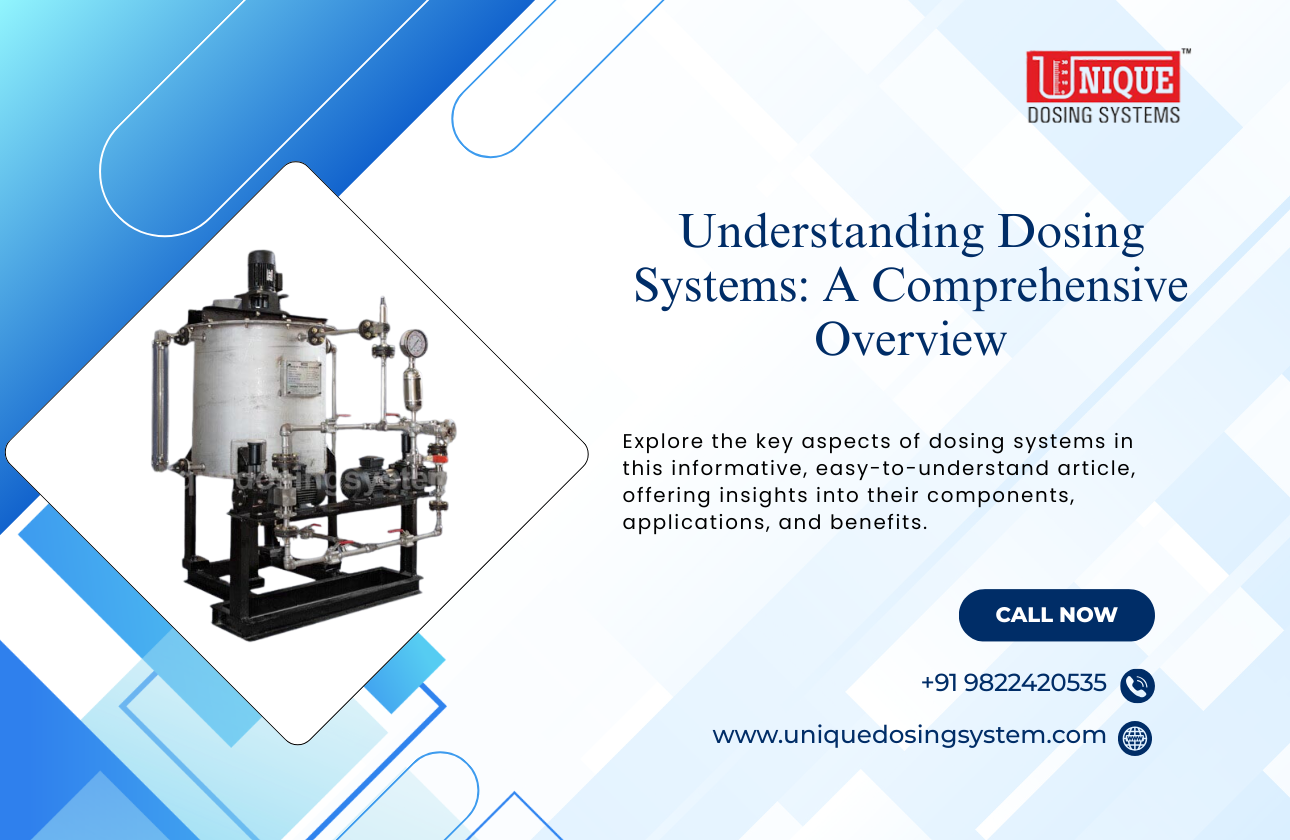
A typical dosing system comprises several key components that work together to accurately dispense liquids. These components usually include a dosing pump, a controller, a storage container, and delivery lines. The dosing pump is the heart of the system, pushing fluid through the system. The controller manages the timing and amount of fluid dispensed, while the storage container holds the fluid before it is delivered through various lines to its final destination. Each part must function effectively to ensure the system's overall efficiency.
How Dosing Systems Work
Dosing systems operate by moving fluid from a storage container through a pump system and into the desired application area. The process begins when the system's controller signals the dosing pump to start. The pump draws the fluid into the system, controlled carefully to dispense exact amounts. This precise delivery is crucial for applications demanding specific concentrations or volumes, like chemical blending or water treatment, ensuring safety and accuracy.
Applications of Dosing Systems
Dosing systems are used in a wide range of industries. In the water treatment sector, they are crucial for adding chemicals that purify water. In agriculture, they help in the accurate distribution of fertilizers and pesticides. In the food industry, dosing systems can ensure the right quantities of ingredients are mixed to maintain taste and safety standards. Their ability to deliver precise, controlled doses makes them invaluable in any setting where fluid management matters.
Benefits of Using Dosing Systems
There are numerous benefits to using dosing systems in industrial applications. One major advantage is precision; they provide accurate dosing, which helps maintain consistent product quality. They also improve safety by reducing the risk of human error in manual dosing. Efficiency is another benefit, as dosing systems reduce waste and enhance process speed. Overall, these systems help businesses save on costs while maintaining high production standards.
Challenges and Considerations
While dosing systems offer many benefits, they also come with challenges and considerations. The systems require regular maintenance to ensure accuracy and efficiency, potentially leading to operational downtime if not properly managed. Furthermore, selecting the correct system type and sizing for a specific application is crucial to prevent over or under-dosing. Businesses need to consider upfront costs along with long-term savings and efficiencies to make informed decisions.
Choosing the Right Dosing System
Selecting the right dosing system involves considering factors such as the type of fluid being dispensed, the required precision, and the specific industry needs. Consultation with experts can help identify the most suitable system. It's also essential to look into compatibility with existing systems and evaluate suppliers' reliability. Regular updates in technology and systems can aid in selecting advanced systems that offer better performance and efficiency.
Frequently Asked Questions
1. What is a dosing system?
Answer: A dosing system is a setup used to precisely measure and dispense liquids into various processes, ensuring that the correct amount is delivered at the right time.
2. Why are dosing systems important in industries?
Answer: Dosing systems are crucial for accuracy and efficiency in industries like water treatment, pharmaceuticals, and food processing, where precise fluid amounts are critical to maintaining quality and safety.
3. What industries benefit from dosing systems?
Answer: Industries such as water treatment, agriculture, food and beverage production, chemical manufacturing, and pharmaceuticals significantly benefit from using dosing systems for precise fluid management.
4. How do I choose a suitable dosing system?
Answer: Consider the fluid type, dosing accuracy required, and specific process needs. Consulting experts and assessing system compatibility and technology advancements can help in making the right choice.
5. What are the components of a dosing system?
Answer: A typical dosing system includes a dosing pump, a controller, a storage container, and delivery lines, all working together for precise fluid dispensing.
Published on March 9, 2026 by Admin