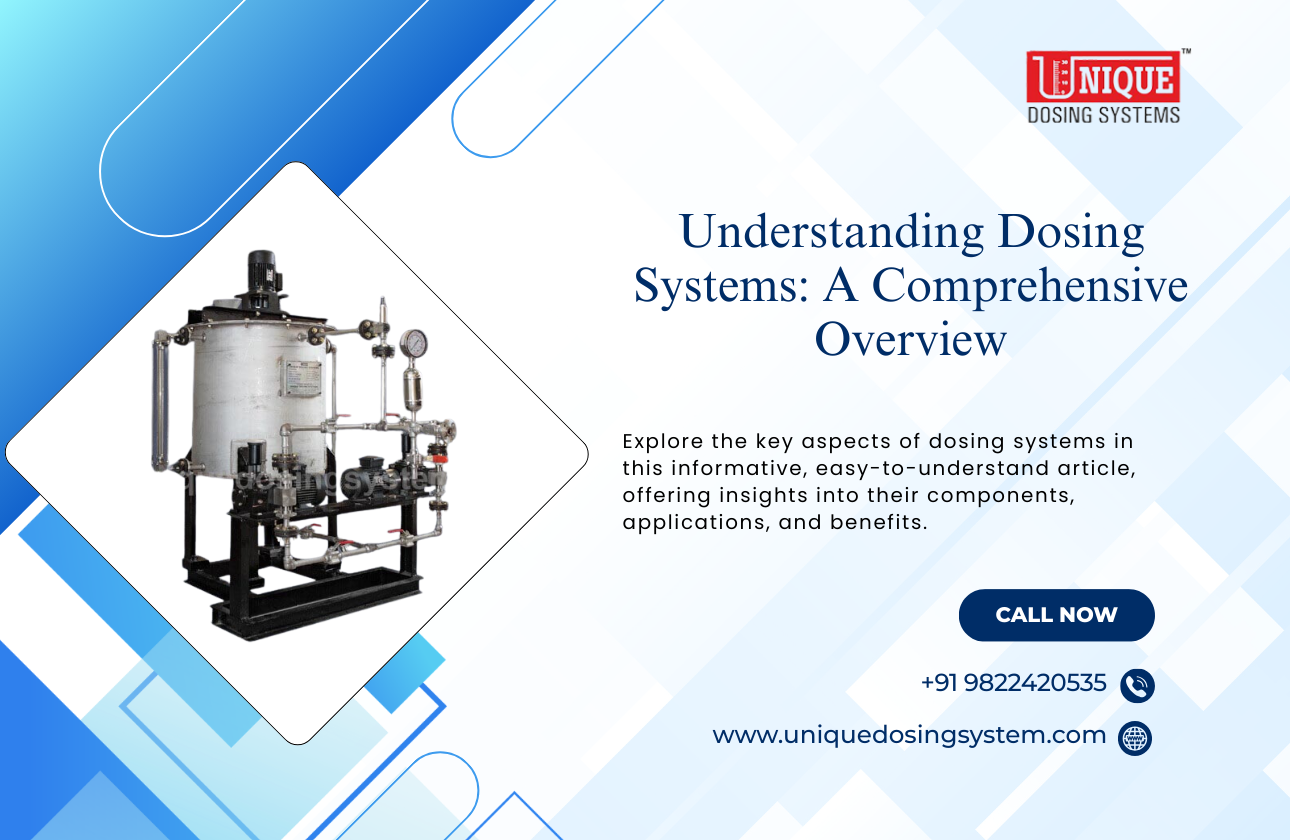
What Are Dosing Systems?
Dosing systems are setups used to introduce specific amounts of a substance into a process or system at the needed time. These systems are crucial in industries where precision and control are essential, such as water treatment or chemical processing. They help in ensuring that the exact volume of a chemical or agent is used to maintain the system's efficiency and safety. Using a dosing system not only helps in saving costs by reducing waste but also ensures better quality control over the process.
The Importance of Dosing Systems
Dosing systems play a pivotal role in several industries because they allow for accurate measurement and distribution of chemicals. This precision ensures that processes continue smoothly and efficiently without the risk of over or under-dosing. For instance, in water treatment, the exact amount of chlorine or other chemicals needs to be added to ensure the water is safe without affecting its quality. Similarly, in the food industry, dosing can be essential for maintaining taste and safety standards.
How Dosing Systems Work
A dosing system comprises several components that work together to dispense the right amount of material. Typically, these systems include a pump, a way to control the flow, and a system monitor for accuracy. The pump allows the conveyance of the material to its destination accurately. Meanwhile, flow control is critical to adjust the speed or volume of the substance being dosed. Such dosing systems can be manual or fully automated, offering flexibility for different applications.
Types of Dosing Systems
There are various types of dosing systems, each tailored to specific uses. Volumetric dosing systems dispense material based on volume and are typically used in industries where precision is key. Gravitational systems rely on gravity to move the substance through the system, often used for larger volume needs. Another type is the electronic dosing system that uses software to program and adjust the dosing levels, offering high precision and automation. Choosing the right type depends on the requirements of the process it serves.
Applications in Industry
Dosing systems find applications across a wide range of industries. In agriculture, they're used to add fertilizers to water supplies. Chemical processing plants use them to introduce catalysts and agents precisely where needed. Wastewater treatment facilities depend on these systems to add treatment chemicals. In each application, dosing systems ensure that operations are safe, efficient, and consistent. The versatility of these systems allows them to meet the unique demands of diverse fields.
Benefits of Using Dosing Systems
One of the primary benefits of dosing systems is the level of control and precision they offer. This precision leads to cost savings, as there is less wastage of materials. Moreover, they improve the safety of operations by minimizing the risk of handling chemicals. By ensuring that only the prescribed amounts are used, dosing systems can prevent contamination or incorrect chemical reactions. The reliability of these systems also reduces the chances of human error, making them invaluable in high-stakes environments.
Challenges and Considerations
While dosing systems are beneficial, they come with their own set of challenges. Maintaining them can be complex, requiring regular checks to ensure they're operating accurately. Furthermore, selecting the right system involves understanding the specific needs of the application and the types of substances to be dosed. It's essential to consider factors like environmental conditions, the viscosity of materials, and the required dosing speed or volume. Despite these challenges, carefully choosing and maintaining a dosing system can lead to significant operational advantages.
Frequently Asked Questions
1. What is a dosing system?
Answer: A dosing system is a setup designed to accurately dispense specific volumes of a substance into a process or system. These systems are widely used across industries to ensure precise and controlled delivery of chemicals or other agents.
2. Why are dosing systems important?
Answer: Dosing systems are critical because they ensure the accurate distribution of substances which in turn enhances the efficiency and safety of processes. This precision helps in reducing waste and maintaining consistent product quality.
3. What industries use dosing systems?
Answer: Dosing systems are employed in various sectors, including water treatment, chemical processing, agriculture, photography, food and beverage, and pharmaceuticals. Their flexibility and precision make them suitable for industries that require meticulous control.
4. Can a dosing system help in cost reduction?
Answer: Yes, by ensuring that only the needed amount of material is used, dosing systems help in minimizing wastage. This efficiency translates to cost savings in material usage and aids in maintaining consistent quality which can reduce re-work or product rejection.
5. How do I choose the right dosing system?
Answer: Choosing the right dosing system involves understanding the specific needs of your process. Consider factors like the kind of material to be pumped, the environment in which the system will operate, and the required accuracy and capacity. Consulting with experts or manufacturers can greatly help in making the right choice.
Published on March 7, 2026 by Admin