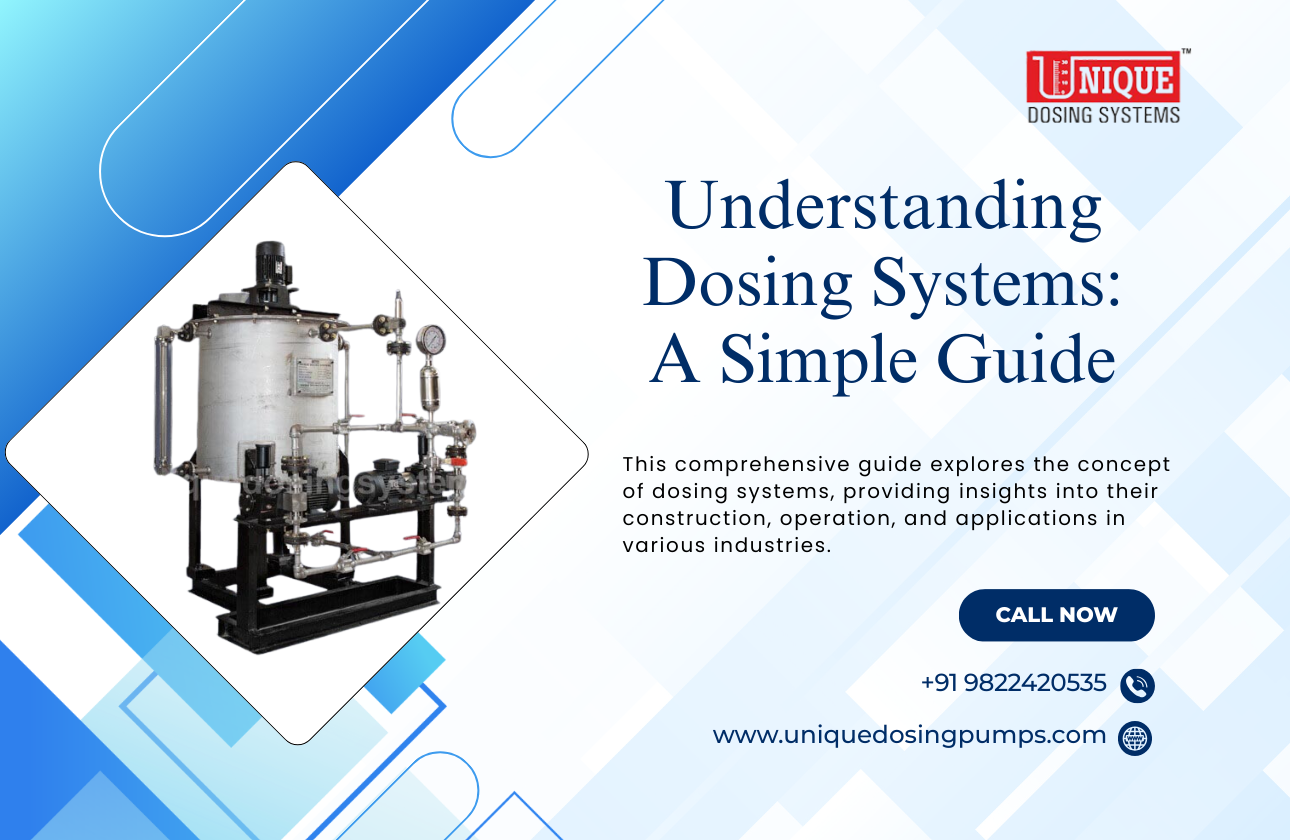
Introduction to Dosing Systems
Dosing systems play a vital role in various industries, ensuring the precise measurement and delivery of liquids and chemicals. These systems help in maintaining the exact amounts required for production processes, resulting in improved quality and efficiency. From water treatment plants to pharmaceutical manufacturing, dosing systems are essential for operational success. Understanding their function and importance can help businesses optimize their processes and achieve desired results.
Components of Dosing Systems
A dosing system typically consists of a pump, a control unit, and storage tanks. The pump helps in transporting the liquid from the tank to the application point. Control units manage the flow rate and ensure the correct amount of liquid is dispensed. Storage tanks hold the materials to be dosed. By coordinating these elements, dosing systems ensure accurate results that are crucial for many industries.
Types of Dosing Systems
There are different types of dosing systems depending on the requirements of the industry. For example, volumetric dosing systems are used when precise volume measurements are essential, while gravimetric systems are used for weight-based dosing. The type of system needed depends on the application and desired accuracy. Understanding these types can help industries choose the right system for their needs.
Applications of Dosing Systems
Dosing systems are used in a wide range of industries. In the water treatment industry, they ensure that chemicals are added to water at the right concentration to make it safe and clean. In the food industry, these systems can add ingredients accurately to maintain product consistency. Pharmaceutical manufacturing uses dosing systems to ensure the precise delivery of active ingredients in drug production. Each application requires a tailored approach to meet specific standards and regulations.
Benefits of Dosing Systems
The primary advantage of using dosing systems is their ability to deliver precise amounts of liquids and chemicals. This accuracy helps in reducing waste and ensuring product quality. Dosing systems also improve operational efficiency, saving time and resources. They can be automated to reduce the need for manual intervention, resulting in fewer errors and increased safety. These benefits make dosing systems an essential part of modern industry practices.
Challenges in Implementing Dosing Systems
While dosing systems offer numerous advantages, implementing them can present challenges. Selecting the right system for specific applications requires a deep understanding of process dynamics. Installation and calibration must be done carefully to ensure accuracy. Maintenance is another critical aspect, as regular servicing is necessary to prevent system failures. Addressing these challenges requires informed decisions and skilled personnel, ensuring systems operate effectively.
Choosing the Right Dosing System
Selecting the optimal dosing system involves considering several factors such as the type of liquid being dosed, the required accuracy, and the process environment. Companies also need to evaluate their specific needs and long-term goals. Investments in quality systems can pay off in efficiency and reduced operational costs. It is crucial to choose systems from reputable manufacturers that provide reliable equipment and customer support.
The Future of Dosing Systems
The future of dosing systems looks promising, with advancements in technology offering even greater precision and efficiency. Automation and digital solutions are paving the way for intelligent systems that can self-regulate and adjust for optimal performance. Industries continue to innovate, developing new materials and methods to improve the flexibility and functionality of dosing systems. As demand grows, these systems will become even more integral to the success of various applications.
Frequently Asked Questions
1. What are dosing systems?
Answer: Dosing systems are arrangements that control the precise delivery of liquids or chemicals used across different industries to ensure accurate compositions.
2. Why are dosing systems important?
Answer: Dosing systems ensure accurate dosing of materials, which improves product quality, reduces waste, and enhances efficiency in processes.
3. What industries use dosing systems?
Answer: Industries such as water treatment, pharmaceuticals, food production, and chemicals extensively use dosing systems for precision and quality control.
4. How do you choose the right dosing system?
Answer: Choosing the right dosing system involves understanding your process needs, the type of material used, and desired accuracy levels. Consulting with experts can be beneficial.
5. What challenges can arise with dosing systems?
Answer: Challenges include selecting the proper system for your application, installation complexities, maintenance needs, and ensuring compatibility with existing systems.
Published on March 8, 2026 by Admin